





Mastering Warehouse Temperature Mapping: A Step-by-Step Compliance Guide
What is Warehouse Temperature Mapping?Warehouse temperature mapping measures how temperature patterns behave throughout a storage facility over time. When sensors are positioned in key locations, staff can track how heat moves throughout
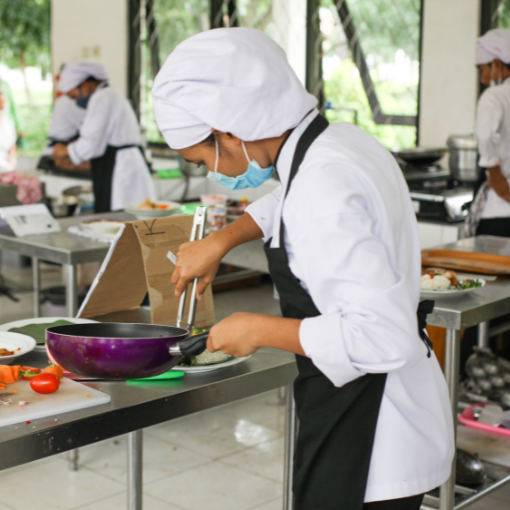
Common FDA Food Safety Citations and How to Avoid Them
Understanding the Cost of Food Safety Violations Food safety violations can lead to expensive penalties, supply‑chain disruptions, and corrective actions that put a strain on your operations. Understanding the risks of food safety
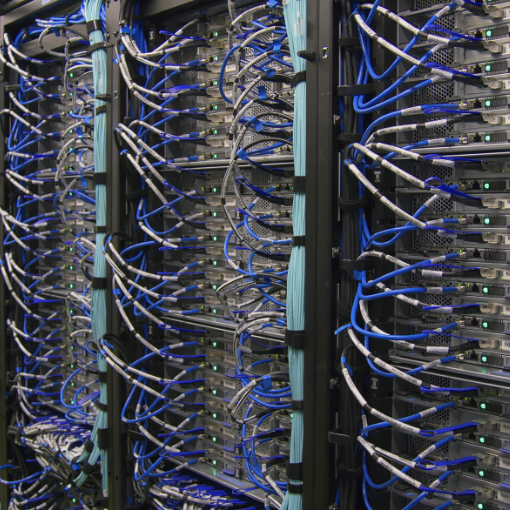
5 Critical IT Server Room Hazards and How to Prevent Them
Why Server Room Monitoring is Non-Negotiable An IT server room can’t function safely without continuous monitoring, especially if hazards develop like overheating, power fluctuations, and equipment malfunctions. Even minor temperature spikes or changes
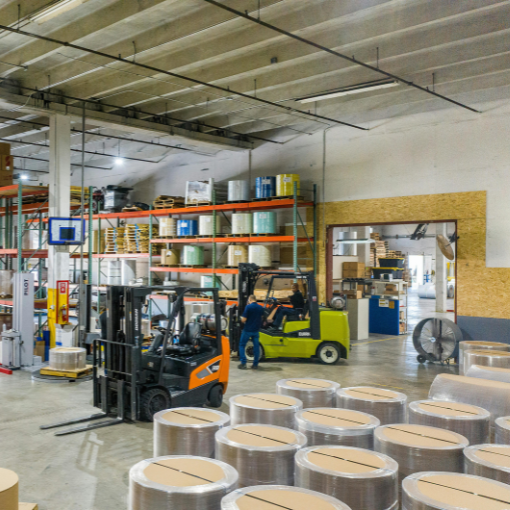
OSHA Heat Laws Explained: What Every Employer Needs to Know
What OSHA Rules on Heat Actually RequireOSHA’s rules on heat recommend that employers proactively monitor heat conditions and protect workers when temperatures rise. Whether indoors or outdoors, employers must demonstrate they are
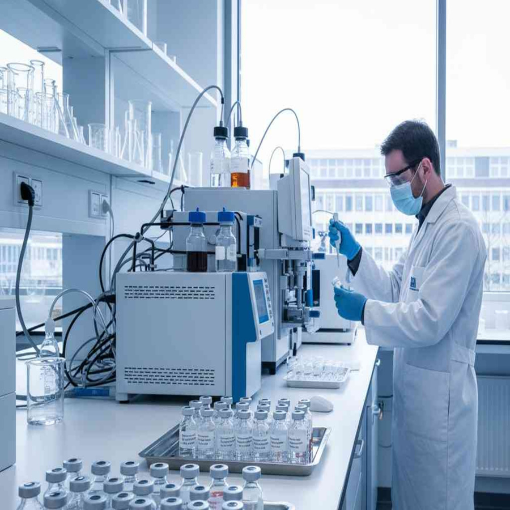
The Impact of Laboratory Temperature Fluctuations on Your Results
The High Stakes of Laboratory Temperature Fluctuations Laboratories depend on tightly controlled environmental conditions to produce trustworthy data and accurate scientific results. When conditions change, they can create vulnerabilities that extend beyond one
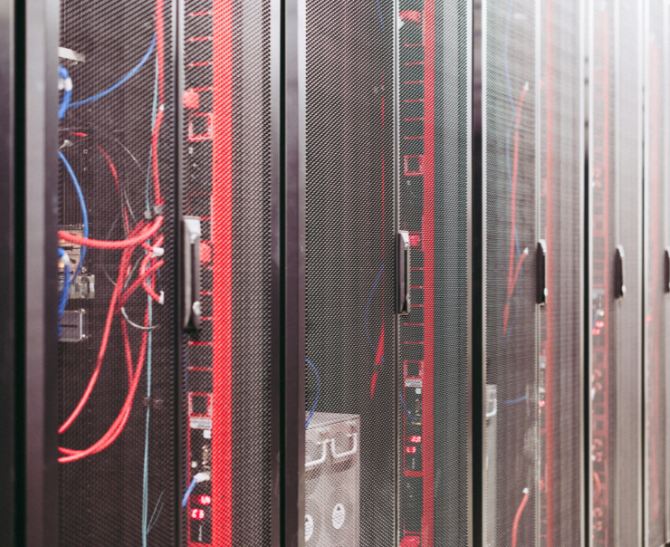
Why You Need Data Center Sensors for Remote Monitoring
The Role of Data Center Monitoring Sensors in Preventing DowntimeData center monitoring sensors keep IT systems stable by detecting power and environmental fluctuations. Using 24/7 monitoring sensors that are strategically placed throughout
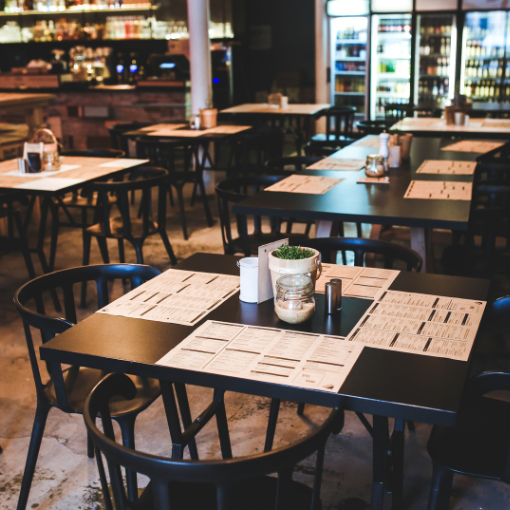
Why Are Restaurants So Cold?
It’s not an accident if you feel cold when you step into a restaurant. The cold temperature is intended to keep food safe, comply with restaurant health codes, and maintain smooth operations.

HARPC vs. HACCP: What is the Difference?
What is HACCP?HACCP stands for Hazard Analysis and Critical Control Points and are procedures to help maintain food safety in commercial kitchens and food manufacturing environments. They promote proper sanitation, temperature monitoring,

How To Handle a Temperature Excursion
What Is a Temperature Excursion?When a vaccine or temperature-sensitive product is exposed to temperatures outside its recommended storage range, it's called a temperature excursion. An excursion happens when the product is stored

TCS Foods: The Complete List and Temperature Requirements
Some foods grow harmful bacteria much faster than others, and those foods need careful time and temperature control to stay safe. In the food industry these are called TCS foods. This guide