





Automated vs. Manual Temperature Monitoring Systems
The Cost of Manual Temperature Checks Manual temperature checks often have hidden operational costs that add up quickly because they drain resources due to human error, reduced productivity, and slow response times. If
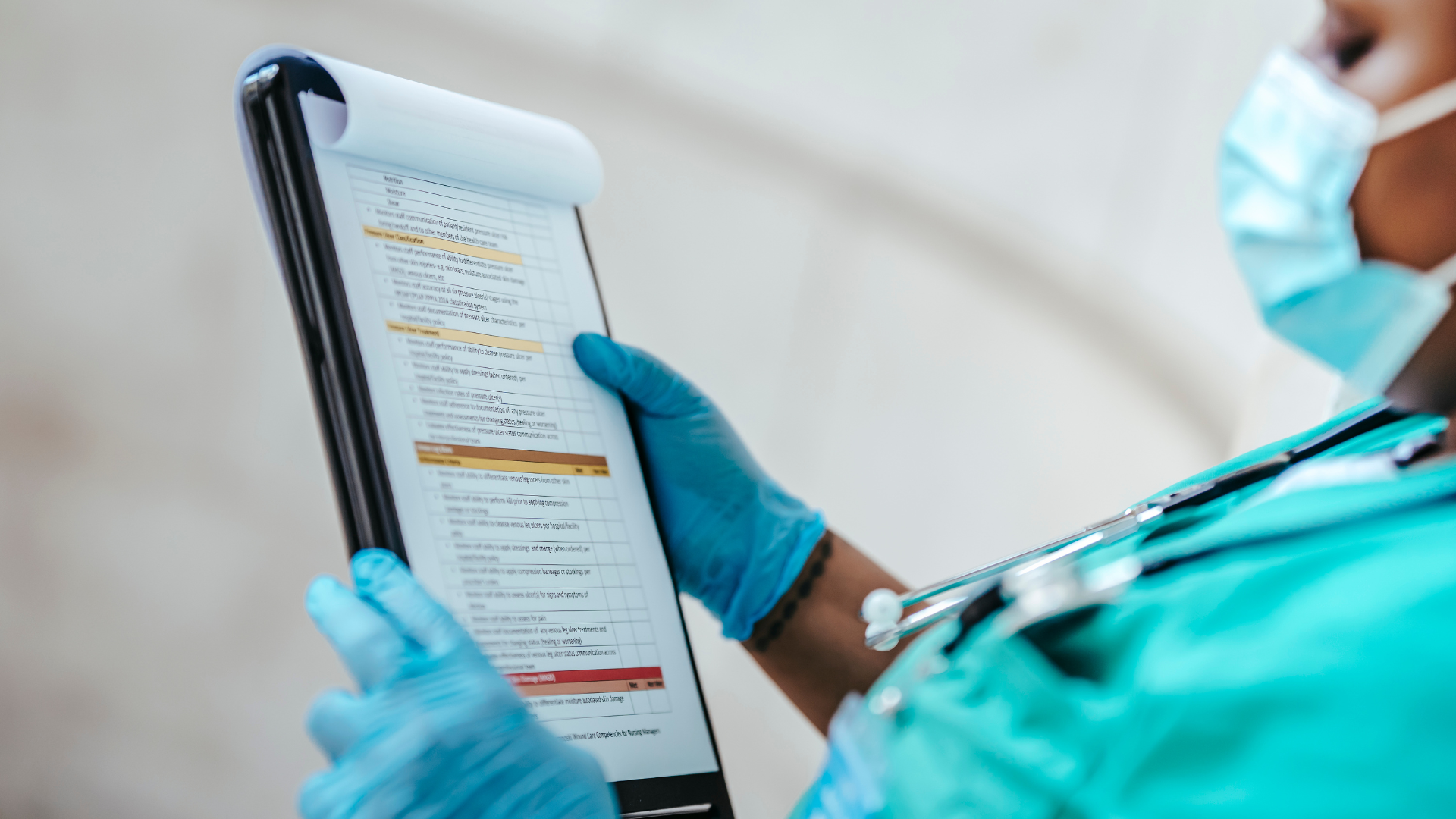
FDA Audit Preparation: 5 Strategic Steps to Ensure Compliance
Understanding FDA Audit Guidelines For any facility that handles pharmaceuticals, medical devices, foods, or products that may be temperature sensitive, understanding FDA audit guidelines is important. FDA audit guidelines focus on verifying product
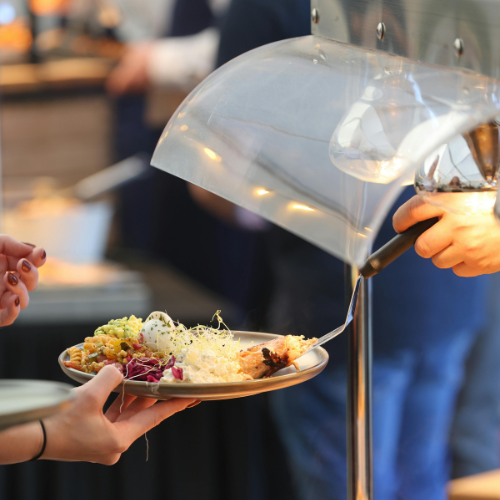
The Complete Guide to the ServSafe Temperature Danger Zone
Why ServSafe Certification Matters in Food Service Understanding ServSafe is essential for workers in the food service industry because it teaches the core principles that keep food out of the temperature danger zone,
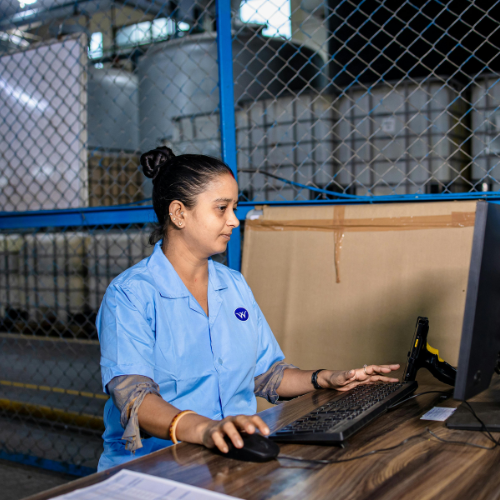
The Complete Guide to Cold Chain Monitoring Systems
Cold chain monitoring ensures products in cold‑storage units, refrigerated‑truck transport, and vaccine distribution stay within strict temperature limits. Pharmaceuticals, frozen foods, and clinical samples need to be continuously monitored to maintain quality
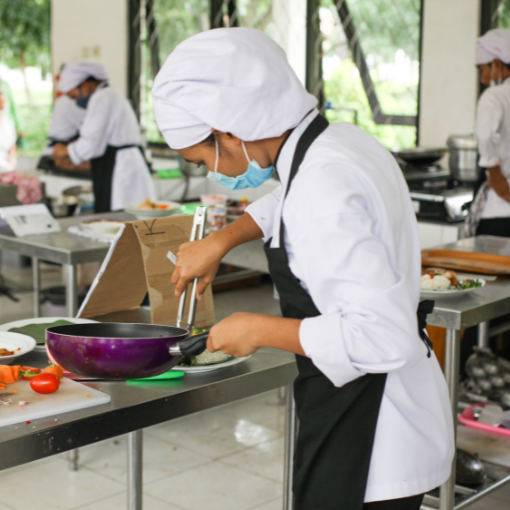
Common FDA Food Safety Citations and How to Avoid Them
Understanding the Cost of Food Safety Violations Food safety violations can lead to expensive penalties, supply‑chain disruptions, and corrective actions that put a strain on your operations. Understanding the risks of food safety
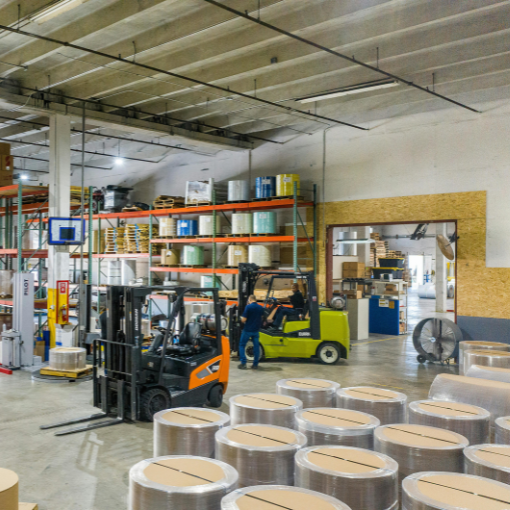
OSHA Heat Laws Explained: What Every Employer Needs to Know
What OSHA Rules on Heat Actually RequireOSHA’s rules on heat recommend that employers proactively monitor heat conditions and protect workers when temperatures rise. Whether indoors or outdoors, employers must demonstrate they are
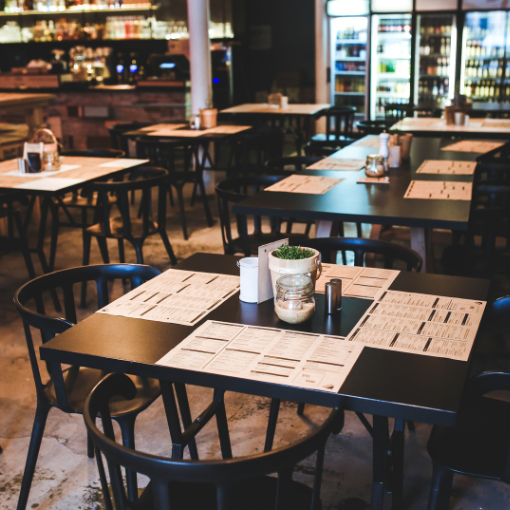
Why Are Restaurants So Cold?
It’s not an accident if you feel cold when you step into a restaurant. The cold temperature is intended to keep food safe, comply with restaurant health codes, and maintain smooth operations.

HARPC vs. HACCP: What is the Difference?
What is HACCP?HACCP stands for Hazard Analysis and Critical Control Points and are procedures to help maintain food safety in commercial kitchens and food manufacturing environments. They promote proper sanitation, temperature monitoring,

TCS Foods: The Complete List and Temperature Requirements
Some foods grow harmful bacteria much faster than others, and those foods need careful time and temperature control to stay safe. In the food industry these are called TCS foods. This guide

What Is Time/Temperature Control for Safety (TCS)?
Controlling the time and temperature at which specific foods are made, kept, and served to stop the growth of bacteria and pathogens is known as Time/Temperature Control for Safety (TCS) for food.