





Automated vs. Manual Temperature Monitoring Systems
The Cost of Manual Temperature Checks Manual temperature checks often have hidden operational costs that add up quickly because they drain resources due to human error, reduced productivity, and slow response times. If
FDA Audit Preparation: 5 Strategic Steps to Ensure Compliance
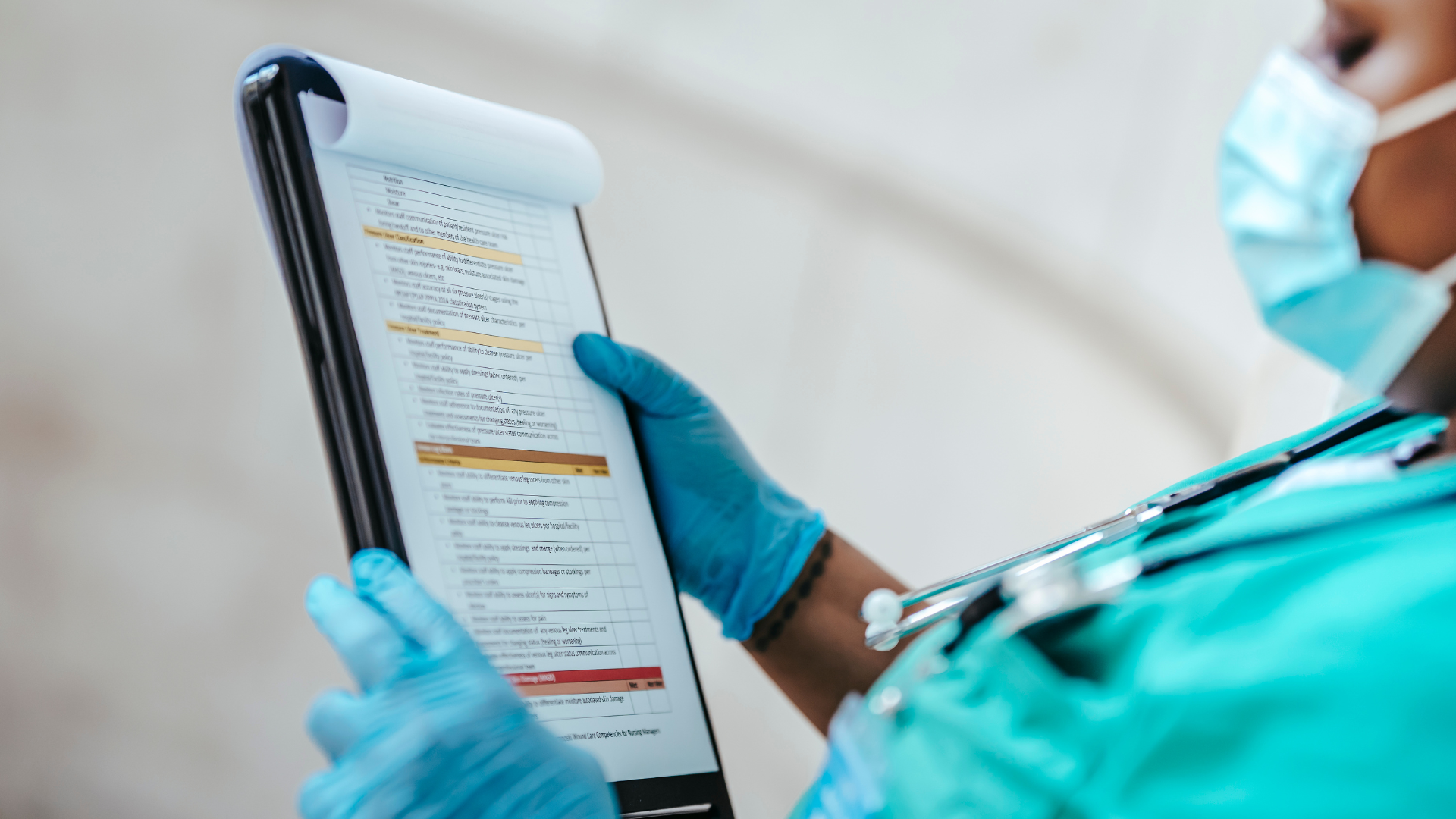
Understanding FDA Audit Guidelines For any facility that handles pharmaceuticals, medical devices, foods, or products that may be temperature sensitive, understanding FDA audit guidelines is important. FDA audit guidelines focus on verifying product

The Biggest Challenges in Cold Chain Logistics and How to Overcome Them
Navigating the Complexities of Temperature-Controlled Transit Challenges in cold chain logistics become difficult when products face extreme temperatures, long transit times, or fail to document shifts that meet official regulatory standards. To overcome

Mastering Warehouse Temperature Mapping: A Step-by-Step Compliance Guide
What is Warehouse Temperature Mapping?Warehouse temperature mapping measures how temperature patterns behave throughout a storage facility over time. When sensors are positioned in key locations, staff can track how heat moves throughout
OSHA Heat Laws Explained: What Every Employer Needs to Know
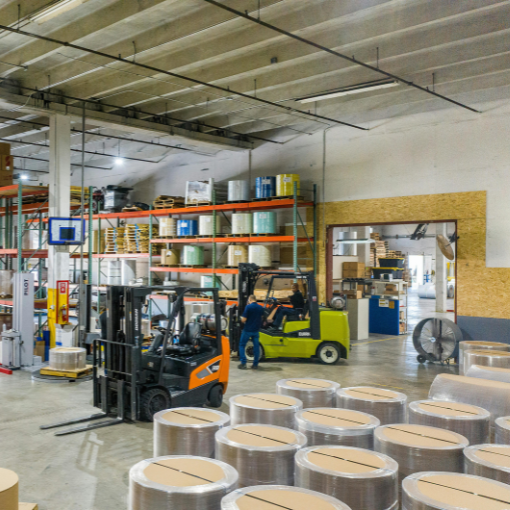
What OSHA Rules on Heat Actually RequireOSHA’s rules on heat recommend that employers proactively monitor heat conditions and protect workers when temperatures rise. Whether indoors or outdoors, employers must demonstrate they are

Importance of Temperature Control In The Food Industry: Food Safety Monitoring
What do all the most essential equipment in the food service industry have in common? They help control food temperatures. This is due to the fact that temperature affects the food in

Food Temperature Safety & Danger Zones: Why is Control Important?
Food must be maintained at a safe temperature to protect your customers from foodborne illness as well as maintain a good health rating. It’s the responsibility of your establishment, if you prepare

HACCP Based Standard Operating Procedure (SOP)
All food service operations must develop a food safety program. A HACCP requirement for developing a comprehensive program includes developing, documenting, and implementing Standard Operating Procedures (SOP).Food Service & Restaurant Standard Operating
FDA Compliant 21 CFR Part 11 Temperature Monitoring Systems
As part of the Food and Drug Administration (FDA) Modernization Act in 2003, 21 CFR Part 11 was created as a criteria under which FDA considers electronic records to be trustworthy, reliable,
NIST Temperature Calibration Standards For Temperature Monitoring Systems
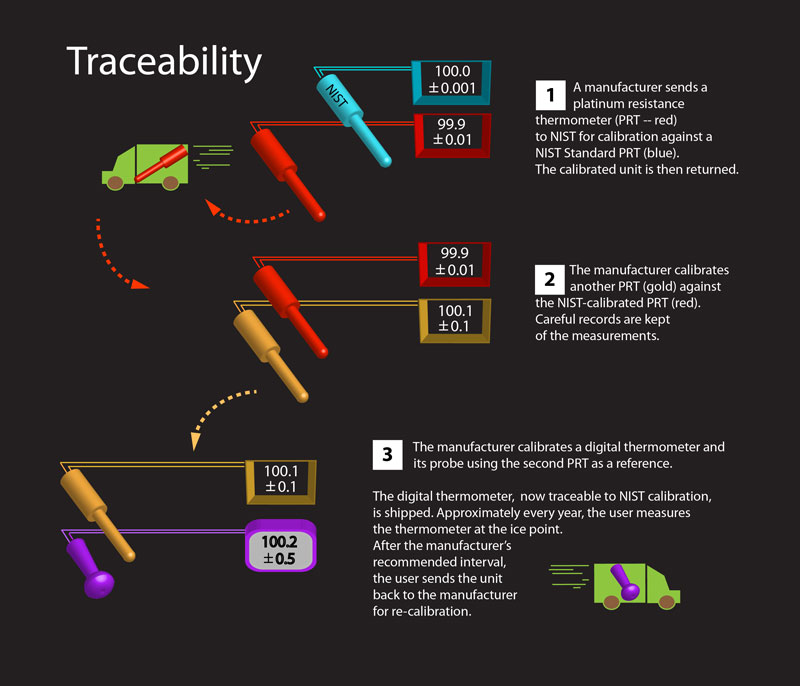
The above is a diagram showing a possible traceability path:Wireless NIST Calibrated Temperature Monitoring SensorsThe National Institute of Standards and Technology (NIST) is one of the oldest physical science laboratories in the