



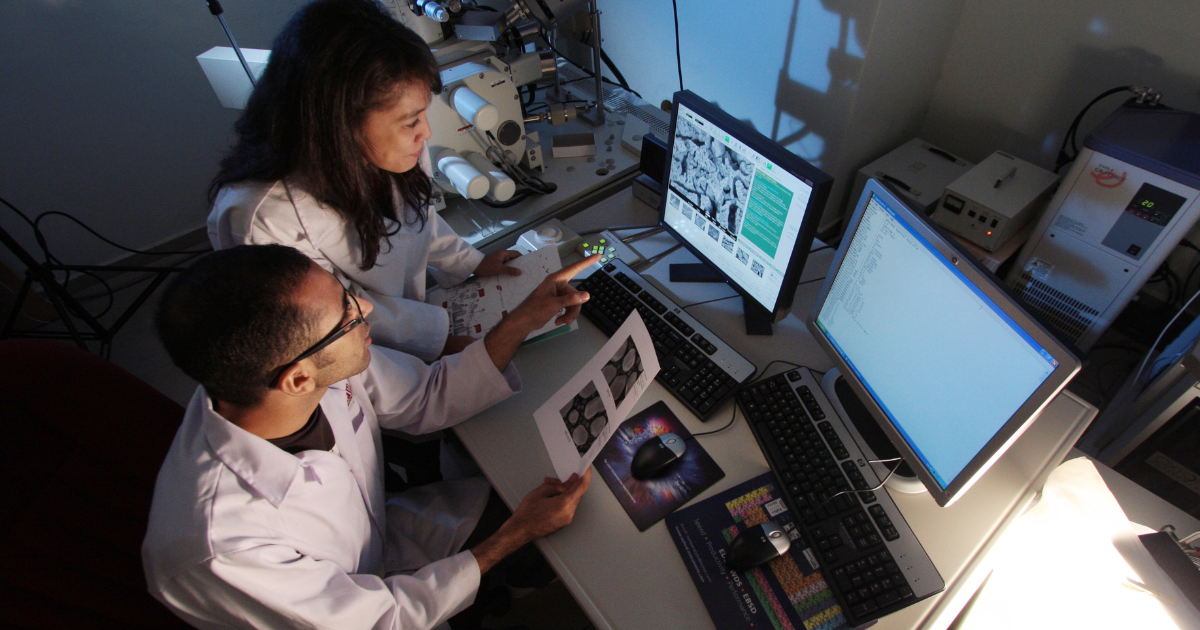
Building Automation Systems (BAS) vs. Environmental Monitoring Systems (EMS)
Managing conditions in regulated spaces like laboratories, pharmacies, and manufacturing facilities requires strict control. Many facility managers wonder if they can use their existing Building Automation System (BAS) for compliance monitoring. While

What is GxP Compliance? Guidelines for Regulated Industries
GxP Meaning and Compliance For organizations in healthcare, life sciences, and pharmaceuticals, maintaining product quality and patient safety is a strict requirement. Regulatory bodies like

Automated vs. Manual Temperature Monitoring Systems
The Cost of Manual Temperature Checks Manual temperature checks often have hidden operational costs that add up quickly because they drain resources due to human error, reduced productivity, and slow response times. If

Guide to Predictive Maintenance: Strategy and Technology
What is Predictive Maintenance? Predictive maintenance uses advanced monitoring tools like sensors and analytics to track vibration, temperature, energy usage, and provides other indicators of performance to detect warning signs of inefficiency, wear,
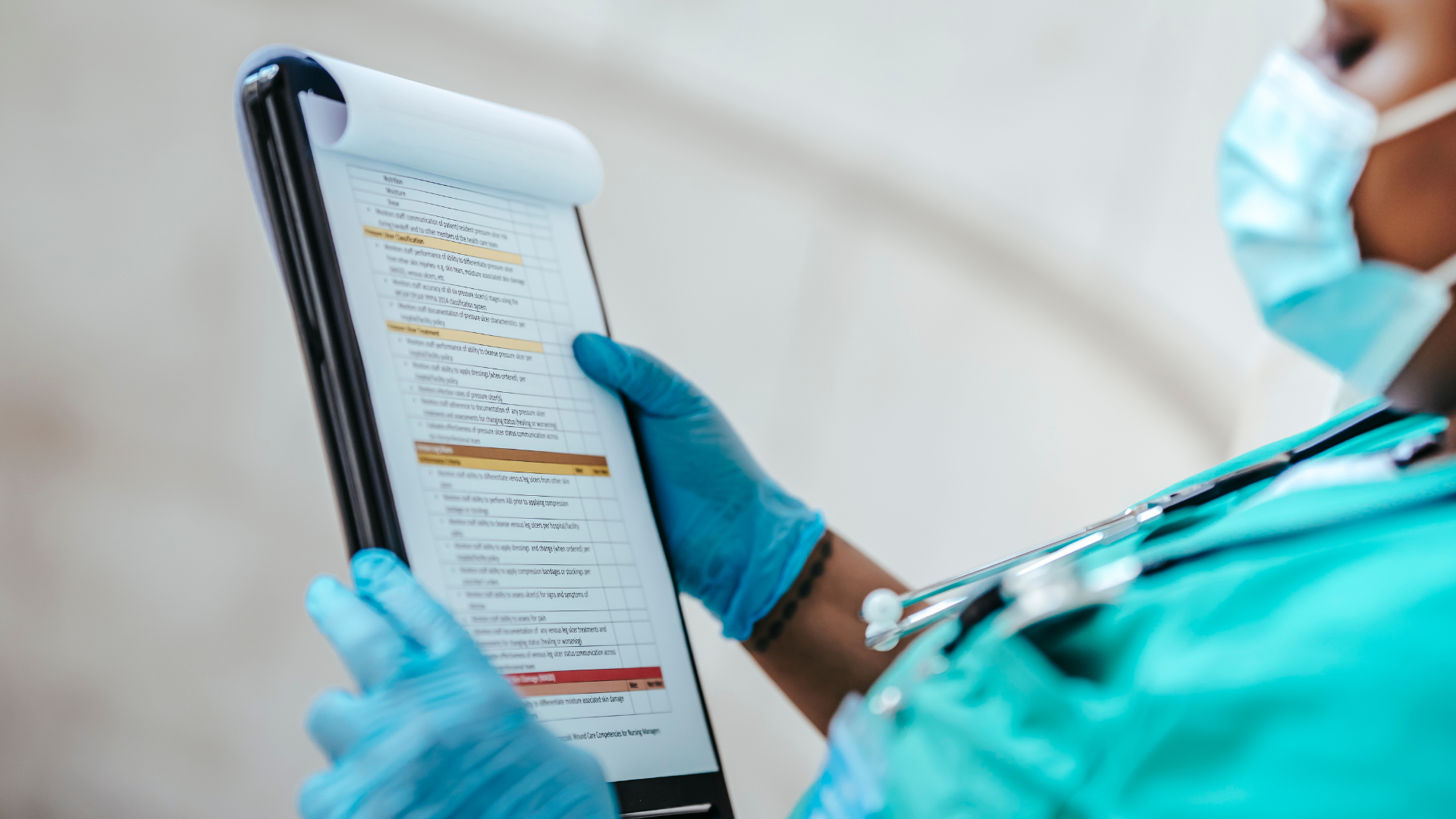
FDA Audit Preparation: 5 Strategic Steps to Ensure Compliance
Understanding FDA Audit Guidelines For any facility that handles pharmaceuticals, medical devices, foods, or products that may be temperature sensitive, understanding FDA audit guidelines is important. FDA audit guidelines focus on verifying product
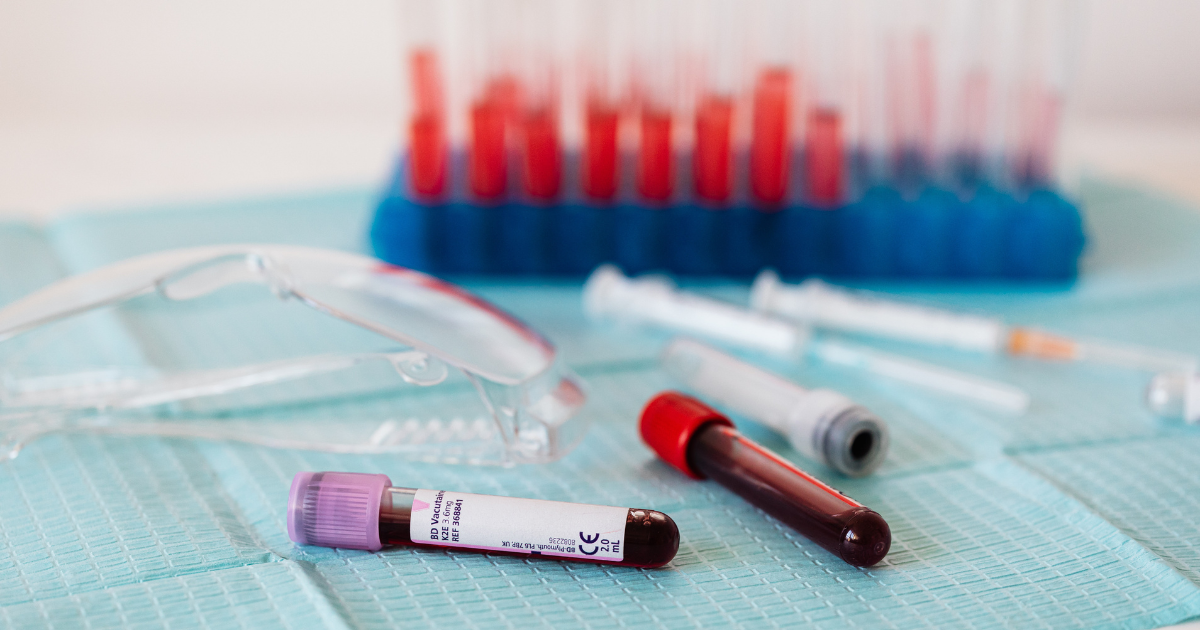
How to Reduce Blood Waste Through Proactive Temperature Monitoring
The True Cost of Inventory Loss in Blood Storage The true cost of losing blood inventory extends beyond the price of one unit. Spoilage caused by temperature drift disrupts workflows, strains budgets, and

The Biggest Challenges in Cold Chain Logistics and How to Overcome Them
Navigating the Complexities of Temperature-Controlled Transit Challenges in cold chain logistics become difficult when products face extreme temperatures, long transit times, or fail to document shifts that meet official regulatory standards. To overcome

The Complete Guide to the ServSafe Temperature Danger Zone
Why ServSafe Certification Matters in Food Service Understanding ServSafe is essential for workers in the food service industry because it teaches the core principles that keep food out of the temperature danger zone,

Operating Room Temperature and Humidity Guidelines
Understanding Operating Room Temperature and Humidity StandardsEvery surgical procedure in a hospital or surgical center relies on stable temperature and humidity to protect patients and keep operating rooms safe by maintaining sterility.

The Complete Guide to Cold Chain Monitoring Systems
Cold chain monitoring ensures products in cold‑storage units, refrigerated‑truck transport, and vaccine distribution stay within strict temperature limits. Pharmaceuticals, frozen foods, and clinical samples need to be continuously monitored to maintain quality