


Request a Quote Today

Thank You For Your Interest in E-Control Systems Please fill out the required fields here. We will review your request and contact you back shortly. If you have any questions about this quote, or our service in general, please feel free to contact us here or call us at 818.783.5229.

    (By providing my contact information below, I consent that E-Control Systems can contact me with information regarding my quote.)

    Image Alt
    E-Control Systems
     . Blog  . What is GxP Compliance? Guidelines for Regulated Industries
    GXP Compliance Guidelines

    What is GxP Compliance? Guidelines for Regulated Industries

    GxP Meaning and Compliance

    For organizations in healthcare, life sciences, and pharmaceuticals, maintaining product quality and patient safety is a strict requirement. Regulatory bodies like the FDA require businesses to follow specific guidelines to ensure their operations meet safety standards from development to distribution.

    If you are operating in a GxP regulated environment, understanding the exact GxP meaning, the specific regulations that apply to your facility, and how to maintain compliance is critical to avoiding costly audit failures.

    What is the Meaning of GxP?

    To accurately define GxP, the term GxP stands for “Good Practice,” with the “x” acting as a variable for a specific industry or operational stage. The standard definition GxP guidelines use is an umbrella term covering various quality standards designed to ensure products are safe, effective, and manufactured to a consistent level of quality.

    The most common pillars of GxP include:

    • GMP (Good Manufacturing Practice): Ensures products are consistently produced and controlled according to quality standards.
    • GLP (Good Laboratory Practice): Focuses on the organizational process and conditions under which non-clinical health and environmental safety studies are planned, performed, and recorded.
    • GCP (Good Clinical Practice): An international ethical and scientific quality standard for designing, conducting, and recording trials that involve human subjects.
    • GDP (Good Distribution Practice): Ensures that the quality and integrity of pharmaceutical products are maintained throughout the supply chain.

    GxP vs GMP: What is the Difference?

    When comparing GxP vs GMP, the distinction is simple. GMP is a single, specific category that falls under the broader GxP umbrella.

    While GxP compliance refers to following all applicable quality and safety guidelines across a product’s entire lifecycle (from initial lab research to final distribution), GMP strictly applies to the manufacturing and production phase. If your facility produces medications or medical devices, you must adhere to GMP. However, a comprehensive compliance strategy requires you to understand the complete GxP framework that applies to your specific supply chain.

    Why GxP Compliance is Critical for Pharma and Life Sciences

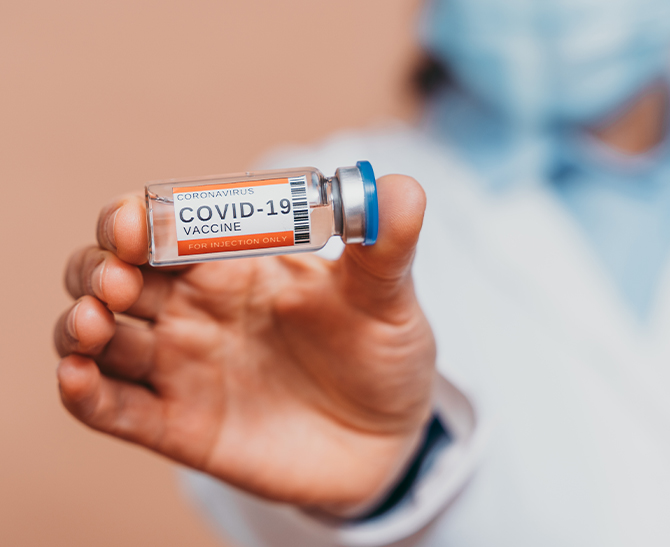
    Understanding the GxP pharma meaning is essential for drug manufacturers. GxP pharma guidelines exist for one primary reason: patient safety. Adhering to these regulations ensures that end-users receive medications, vaccines, and medical devices that are safe, uncontaminated, and effective.

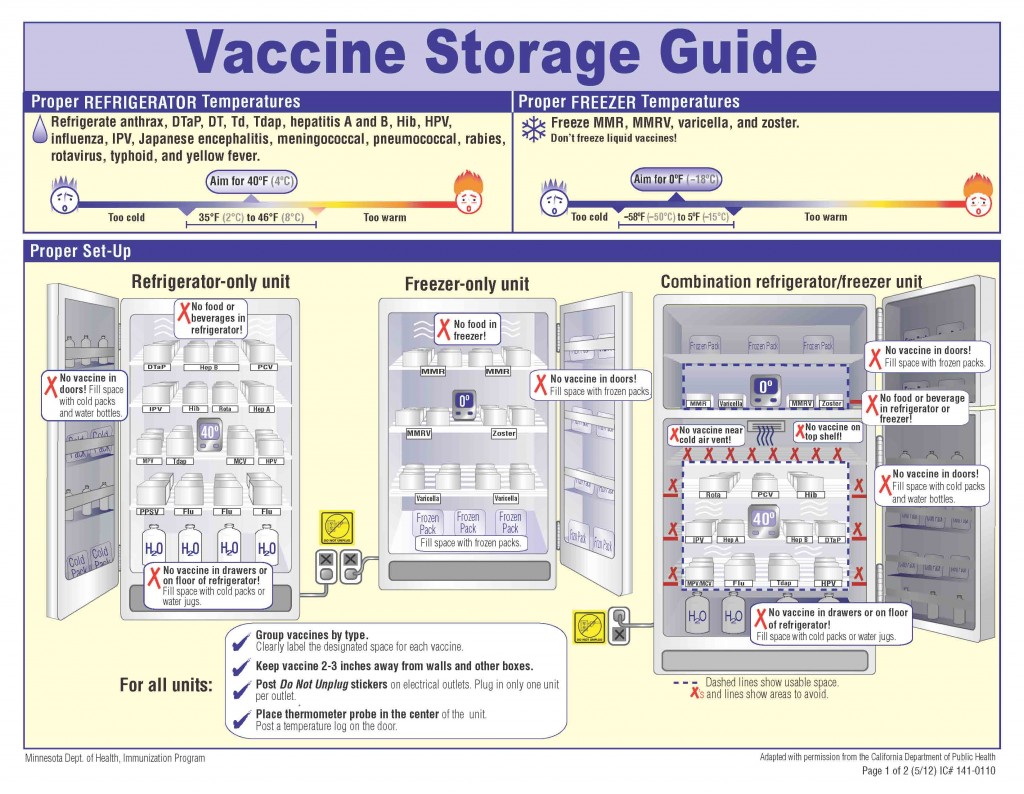
    Beyond patient safety, failing to remain GxP compliant can result in severe financial and legal consequences for a business. The FDA regularly inspects facilities. If an audit reveals poor data integrity, uncalibrated equipment, or improper temperature storage, the facility can face warning letters, product recalls, or complete shutdowns.

    The Core Elements of GxP Compliance

    To meet the requirements of a GxP regulated industry, facilities must build their quality management systems around several core principles:

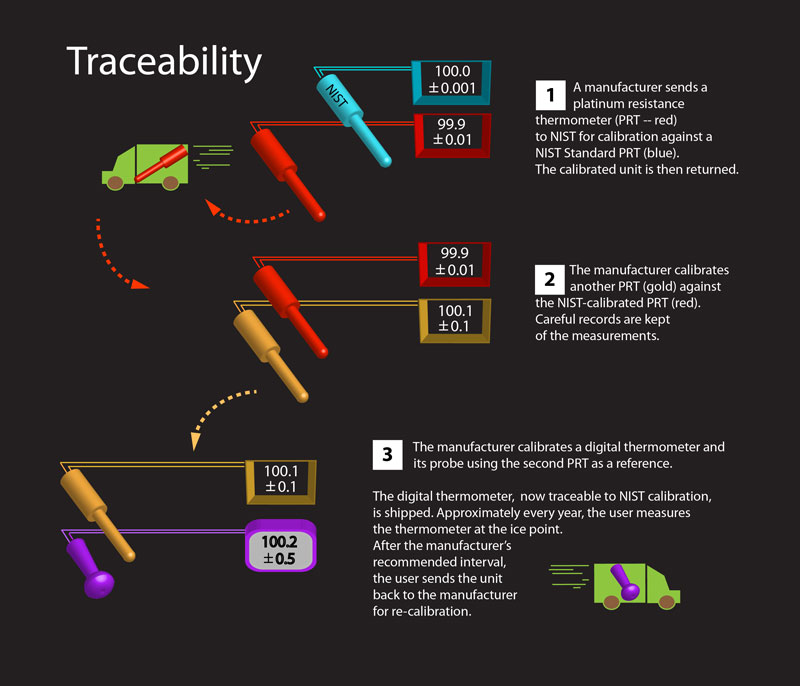
    • Traceability: Every step of the production, testing, and distribution process must be documented. You must be able to trace a product back to its original raw materials.
    • Accountability: Electronic signatures and secure logins (following 21 CFR Part 11 guidelines) must establish exactly who performed a specific task and when.
    • Data Integrity: The FDA expects all data to follow the ALCOA+ framework, meaning records must be Attributable, Legible, Contemporaneous, Original, and Accurate.

    How Automated Monitoring Supports GxP Compliance

    One of the biggest challenges in maintaining a GxP compliant facility is managing environmental data. Manual temperature logs are highly susceptible to human error and are often flagged during FDA audits.

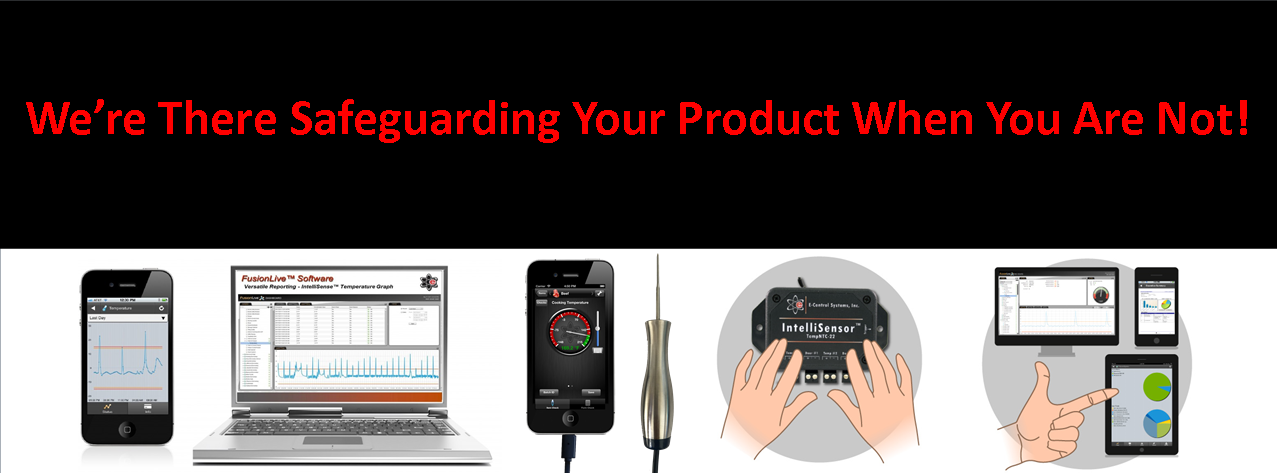
    Upgrading to an automated temperature monitoring system eliminates these risks. Digital wireless sensors provide continuous, highly accurate readings for critical assets like medical refrigerators and cleanrooms. If temperatures fluctuate, the system instantly sends an alert so your team can properly handle a temperature excursion before inventory is lost.

    E-Control Systems provides industry-leading temperature monitoring for pharmaceuticals and life sciences. Our secure, cloud-based software ensures your environmental data is securely logged, easily accessible, and always audit-ready.

    FAQs About GxP Compliance

    What is a GxP regulated environment?

    A GxP regulated environment refers to any workspace, such as a laboratory, pharmacy, manufacturing floor, or cold storage facility, that must adhere to strict quality standards to ensure product safety. These environments are strictly controlled, requiring calibrated sensors, routine audits, and continuous temperature monitoring to prevent contamination or product degradation.

    Who enforces GxP compliance?

    In the United States, GxP compliance is primarily enforced by the FDA (Food and Drug Administration). Internationally, it is enforced by regulatory bodies like the EMA (European Medicines Agency). These organizations conduct routine and unannounced audits to ensure companies are following proper safety, manufacturing, and distribution practices.

    How does automated temperature monitoring help with GxP audits?

    During an audit, inspectors look for verifiable proof that sensitive products were stored correctly. An automated system like FusionLive hosted solutions replaces error-prone paper logs with continuous, secure digital data. This guarantees that your historical temperature logs follow ALCOA+ data integrity principles and are instantly accessible whenever an inspector requests them.


    For more information about what E-Control Systems can do for your laboratory, take a look at our Life Science solutions.