

Share
Blog
E-Control Systems Healthcare Hospital Laboratory Life Science Pharmaceuticals Pharmacy Wireless Temperature Monitoring

Thank You For Your Interest in E-Control Systems Please fill out the required fields here. We will review your request and contact you back shortly. If you have any questions about this quote, or our service in general, please feel free to contact us here or call us at 818.783.5229.
(By providing my contact information below, I consent that E-Control Systems can contact me with information regarding my quote.)

Managing conditions in regulated spaces like laboratories, pharmacies, and manufacturing facilities requires strict control. Many facility managers wonder if they can use their existing Building Automation System (BAS) for compliance monitoring. While a BAS is essential for facility management, it differs greatly from a dedicated Environmental Monitoring System (EMS). Understanding the differences ensures your facility remains compliant and audit-ready.
A Building Automation System controls the general infrastructure of a facility. It manages HVAC operations, lighting, security doors, and energy consumption. The primary goal of a BAS is to keep occupants comfortable and reduce building operating costs. While a BAS is excellent at making a facility run efficiently, it is not designed to protect highly sensitive lab samples or pharmaceutical products.
An Environmental Monitoring System is a purpose-built solution that observes and records precise conditions to protect sensitive assets. Instead of controlling the room temperature, an EMS continuously monitors parameters like temperature, humidity, and differential pressure. If conditions fall out of a safe range, automated environmental monitoring systems instantly alert staff. These platforms are strictly designed to maintain regulatory compliance for industries that follow FDA, GxP, and 21 CFR Part 11 standards.
Many teams attempt to use their existing building EMS system to monitor refrigerators, cleanrooms, and incubators to save money. This approach creates significant compliance risks.
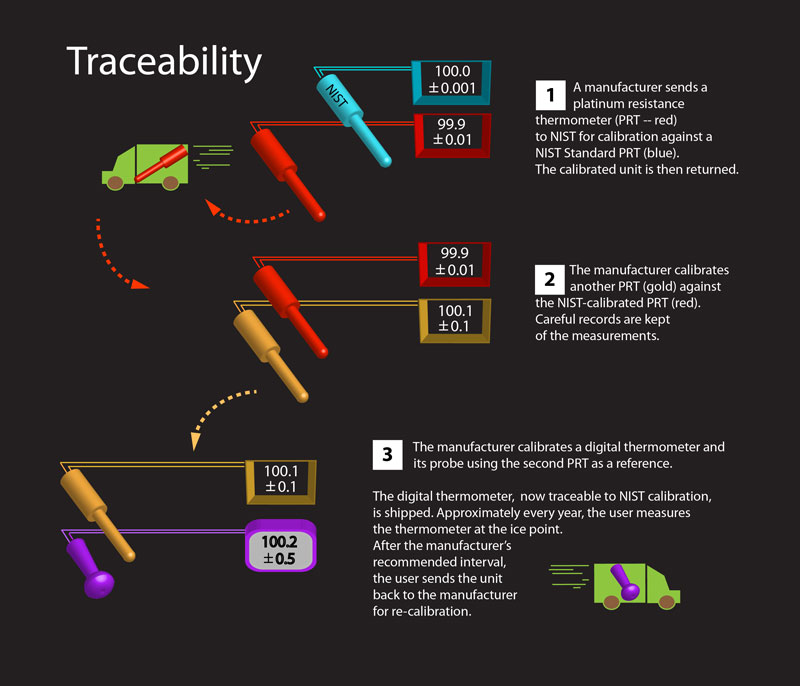
Regulated environments require rigorous environmental monitoring system validation to prove the equipment works exactly as intended. BAS sensors are rarely calibrated or validated to the strict standards required by the FDA or ISO. When an auditor asks for proof of validation, a standard BAS cannot provide it.
An EMS secures data with electronic signatures, role-based access, and unalterable audit trails. Most building automation platforms lack these security features. If data can be easily modified or deleted, the system fails to meet basic data integrity requirements.
Linking critical product monitoring directly to building operations creates a single point of failure. If an HVAC malfunction takes your BAS offline, you also lose visibility into your sensitive storage units. Your monitoring platform must remain independent. A dedicated EMS ensures that even if building power or network infrastructure fluctuates, your critical assets remain monitored and secure.
Operating in a regulated environment means your monitoring platform must be completely audit-ready. Upgrading to a specialized EMS building system provides continuous oversight, automated compliance logs, and instant notifications. By keeping your BAS focused on building comfort and your cloud-based software focused on asset protection, you eliminate regulatory blind spots and avoid costly failed inspections.
A BAS controls facility operations like HVAC and lighting to improve building efficiency. An EMS monitors specific environmental parameters using calibrated wireless sensors to protect sensitive products and ensure regulatory compliance.
Yes. A properly configured EMS like FusionLive can share data with your BAS using standard protocols. This allows facility managers to view data centrally while keeping the critical monitoring system independent and fully validated.
Any industry governed by strict quality standards requires a dedicated EMS. This includes healthcare, pharmaceutical temperature monitoring, biotechnology, and food service.
Please fill out the form here so we can know a little more about you. You will be directed to our brochure downloads page promptly afterward.