
Share
Blog
E-Control Systems Healthcare Hospital Laboratory Life Science Pharmaceuticals Pharmacy Wireless Temperature Monitoring

Thank You For Your Interest in E-Control Systems Please fill out the required fields here. We will review your request and contact you back shortly. If you have any questions about this quote, or our service in general, please feel free to contact us here or call us at 818.783.5229.
(By providing my contact information below, I consent that E-Control Systems can contact me with information regarding my quote.)
Facility managers in highly regulated industries rely heavily on environmental data to maintain product safety. Moving from manual logs to a centralized monitoring system is a massive upgrade. However, implementing these digital platforms often introduces new operational hurdles.
Understanding the common challenges of centralized monitoring helps facilities optimize their technology. By identifying these monitoring problems early, organizations can protect their sensitive assets and ensure continuous compliance.
While continuous monitoring improves visibility, poor implementation creates frustration. Here are the most frequent challenges facility teams face when adopting centralized platforms.
A common monitoring problem occurs when a system generates too many false alarms. If sensors trigger an alert every time a refrigerator door opens for a few seconds, staff quickly become desensitized. This alarm fatigue leads to ignored notifications. When a genuine temperature excursion happens, the team might miss it entirely, resulting in product loss.
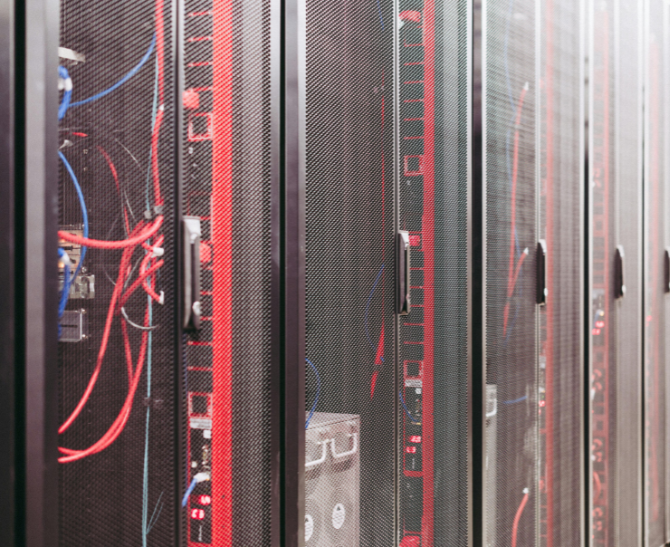
Many facilities use equipment from multiple manufacturers. Trying to connect old refrigerators, modern walk-in freezers, and cleanrooms into one unified dashboard is difficult. When software fails to communicate with diverse hardware, facilities are left with data silos instead of a true centralized manufacturing monitoring platform.
Collecting millions of data points is useless if the system cannot organize that information. Facility managers often struggle to filter out irrelevant data to generate clean, audit-ready compliance reports. Without clear data visualization, identifying long-term temperature trends becomes nearly impossible.
Centralized platforms require a stable network connection to transmit data from sensors to the cloud. If a facility experiences a power or Wi-Fi outage, a poorly designed system will stop logging data. These monitoring gaps violate strict regulatory requirements and jeopardize inventory.
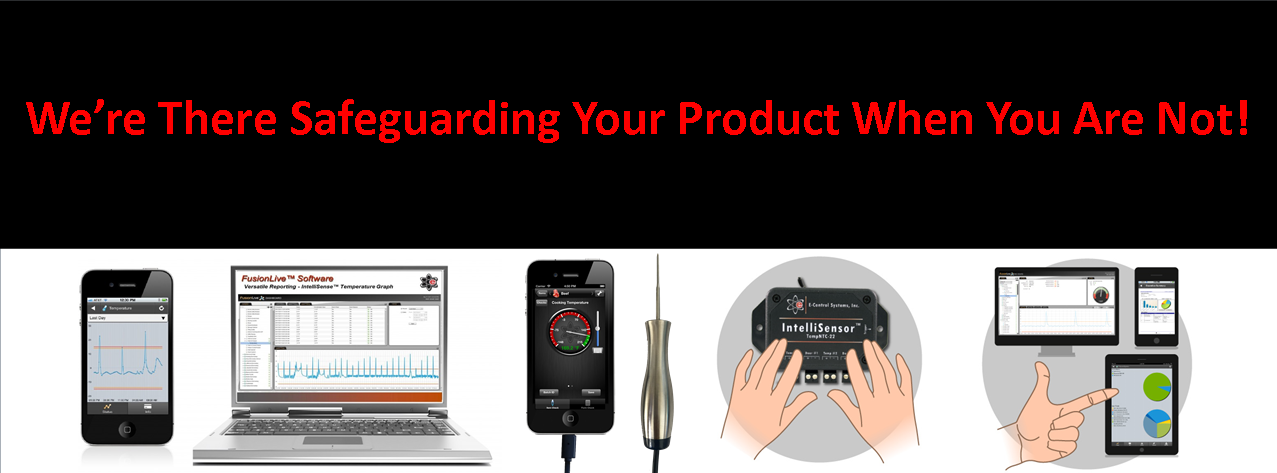
Solving these issues requires choosing a system built specifically for regulated environments. Advanced monitoring technology like FusionLive hosted solutions addresses these challenges directly.
To eliminate alarm fatigue, facilities should configure smart alarm delays. Instead of alerting the team immediately when a door opens, the system waits a predetermined amount of time. If the temperature remains out of range after the delay, the system sends an alert. This ensures staff only respond to legitimate threats and know exactly how to handle a temperature excursion when it occurs.
Upgrading to calibrated wireless sensors solves both integration and network reliability problems. High-quality sensors store data internally during a network outage and automatically upload the missing logs to the cloud once the connection is restored. This guarantees zero gaps in your continuous monitoring records.
A centralized platform must simplify data management. Intuitive monitoring software organizes vast amounts of environmental data into automated, compliance-ready reports. This saves hours of administrative work and ensures your facility is always prepared for an unannounced audit.
Any organization that stores highly sensitive inventory uses these solutions. This includes pharmaceutical manufacturers, hospitals, research laboratories, and commercial food service facilities. These industries require strict environmental control to meet FDA and CDC regulations.
Facilities should upgrade to centralized technology when they expand operations, store high-value assets, or fail to maintain accurate manual compliance logs. A centralized system is essential when manual temperature checks become too labor-intensive or prone to human error.
The primary benefit is real-time visibility. Unlike manual checks that only show the temperature at a specific moment, continuous systems track data 24/7. This allows staff to intervene and save products before they are compromised by equipment failure.
Please fill out the form here so we can know a little more about you. You will be directed to our brochure downloads page promptly afterward.