


Hospital Temperature Monitoring Systems & Medical Grade Control
Hospital environments require fail-safe, 24/7 oversight to protect life-saving drugs, blood, tissues, and patient safety. E-Control Systems offers a medical-grade hospital temperature monitoring system and advanced healthcare temperature monitoring solutions designed specifically for the complex infrastructure of modern facilities. From operating rooms and clean rooms to hospital pharmacies, our automated hospital refrigeration monitoring solutions eliminate manual errors and ensure seamless compliance with Joint Commission, FDA, and CDC regulations.
Hospital Monitoring Solutions for Patient Safety and Regulatory Readiness
Maintaining exact thermal conditions across a medical campus is a high-stakes operation. A single temperature excursion in a clinical refrigerator or surgical suite can result in compromised patient care and massive inventory loss. Our automated environmental monitoring solutions provide continuous, real-time tracking of temperature, humidity, and differential pressure across your entire facility. By replacing manual clipboard checks with precision wireless sensors, your medical staff can focus entirely on patient outcomes while our system automatically generates the unalterable, audit-ready data logs required for strict regulatory inspections.
E-Control Systems Features for Hospital
What makes E-Control Systems stand out? Our sensors and intelligates can monitor any aspect of your Hospital business 24/7.




Why Leading Hospitals Choose E-Control Systems
Managing a hospital’s environmental footprint is a high-stakes operation. We provide the technical infrastructure to automate your compliance workflow and protect your most sensitive assets.
Automated Regulatory Logging: Eliminate the labor-intensive process of manual temperature checks. Our system generates audit-ready reports that satisfy Joint Commission and health department requirements at the touch of a button.
Differential Pressure & Humidity: Beyond temperature, we monitor critical environmental factors in Operating Rooms, Neonatal units, and Drug-Compounding areas to prevent cross-contamination and ensure patient safety.
Continuous Enterprise Scalability: Whether you are monitoring a single clinic or a multi-campus healthcare system, our wireless architecture scales effortlessly to meet your facility’s growing needs.
Seamless IT Integration and Security
Hospital IT departments require strict data security and network stability. E-Control Systems connects directly to your existing infrastructure without the need for complex, expensive hardwiring. Our industrial wireless sensors utilize your hospital’s secure Wi-Fi or our independent IntelliMesh™ wireless network. This advanced technology easily pushes signals through lead-lined radiology walls, thick surgical doors, and massive campus floor plans.
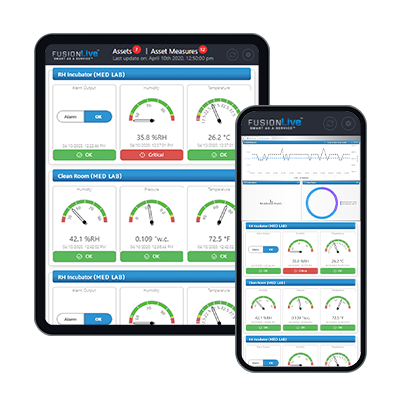
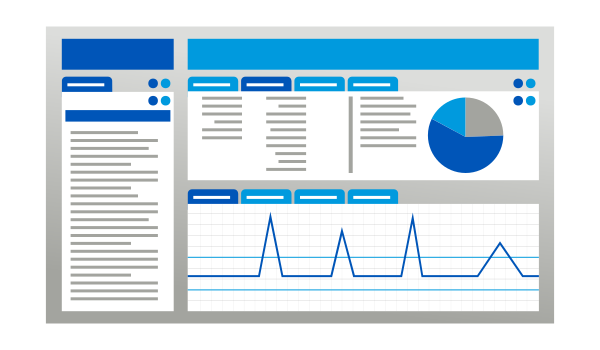
We designed our platform to align with your current technology stack. Through our open API, the FusionLive™ software synchronizes environmental data directly with your existing Building Management Systems (BMS) and electronic health records. Your IT team can centrally manage user permissions and route automated alerts based on shift schedules. This gives your facility complete oversight without the headache of managing isolated software silos.
The Impact on Staff Efficiency and Patient Care
Manual data recording is a drain on hospital resources. When staff members are forced to spend hours daily on manual logs, it detracts from patient care and increases the risk of human error.
Focus on Care: By remotely monitoring and recording temperatures, E-Control Systems allows your nursing and pharmacy staff to focus on the jobs they were trained to perform.
Compliance at Every Step: Our system doesn’t just log data; it ensures that your facility is consistently upholding the highest standards of safety and operational efficiency.
Department-Specific Temperature Compliance
A modern healthcare campus is essentially a collection of totally different micro-climates. The exact temperature and humidity requirements for a surgical suite look completely different from a cafeteria walk-in freezer. E-Control Systems provides a unified platform that handles the specific regulatory demands of every single department.
Pharmacy, Laboratories, and Blood Banks
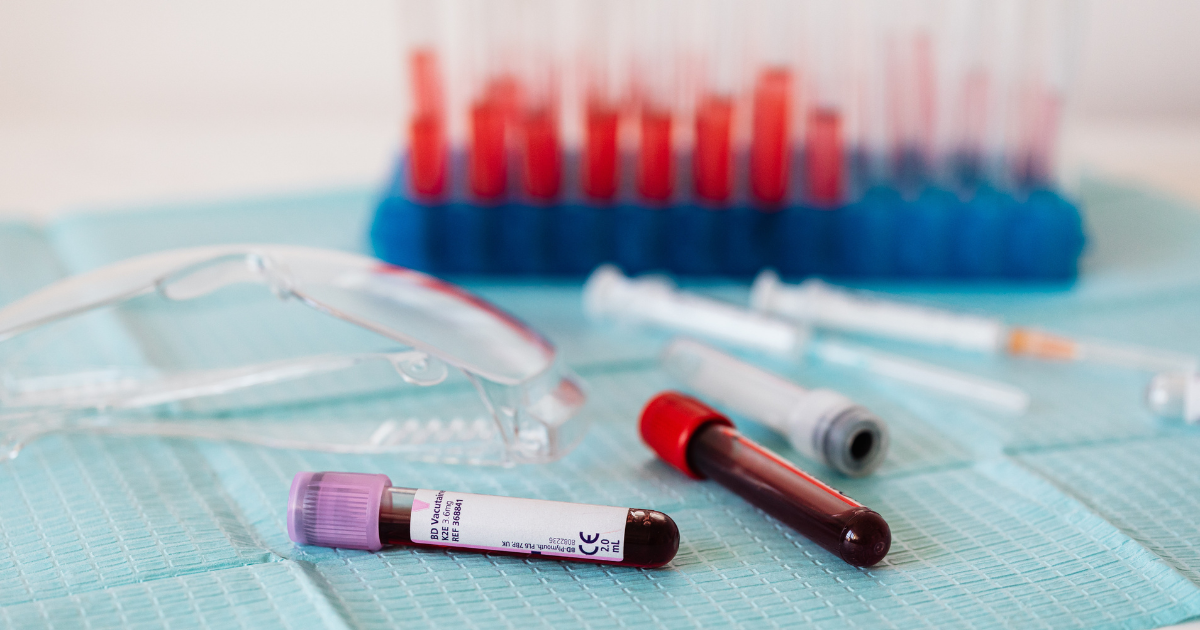
Strict CDC and FDA guidelines govern the storage of vaccines, life-saving medications, and biological samples. Our hospital refrigerator temperature monitoring system tracks ultra-low freezers and clinical storage units 24/7. If a compressor fails, your pharmacy staff receives instant alerts before critical assets fall out of range.
Go Deeper: Explore our dedicated compliance solutions for Pharmaceuticals, Laboratories, Vaccines, and Blood Banks.
Operating Rooms and Critical Care (ICU)
Patient safety depends on strict environmental control. Maintaining exact operating room temperature, humidity, and differential air pressure prevents the spread of airborne pathogens during surgery. Our ambient room sensors continuously track conditions in the OR, ICU, and standard patient rooms to satisfy Joint Commission standards and maintain a sterile environment.
Go Deeper: Learn how we automate Temperature and Humidity in the Operating Room.
Inpatient Dietary and Food Storage
When preparing meals for immunocompromised patients, food safety is a medical necessity. Manual temperature logs waste staff time and leave you vulnerable to health code violations. Our technology automates your entire dietary department, tracking walk-in coolers, hot holding units, and ambient storage to prevent foodborne illness.
Go Deeper: Discover our automated temperature solutions for Food Service and Walk-In Freezers.
Our Hospital Customers Include:




Medical Temperature and Humidity Control Systems
Hospital environments require secure, 24/7 monitoring to maintain drugs, vaccines, blood/tissues, and critical medical equipment within specified temperature and humidity ranges. Environmental controls are critical for maintaining drug safety and efficacy. Humidity measurement can be especially challenging and important in surgical rooms, neonatal, and drug-compounding areas.
Temperature monitoring systems are invaluable assets in hospitals and medical facilities. They are essential in maintaining the daily operations. Variations in temperature readings, even the smallest, can make the difference between life-saving medications and pharmaceuticals.
Temperature dictates the ability of viruses, bacteria, and fungal spores to not only survive but to thrive as well, so temperature control in hospitals is important due to the frequency and transmission of these. Exposure is hazardous for all such organisms during their journey between hosts. Factors such as temperature, humidity, light and even pollutants can inactivate free-floating, airborne infectious organisms. Temperature is one of the most important factors affecting virus survival, as it can affect the state of viral proteins and the virus genome.
Hospitals and other medical facilities are responsible for storing and administering medications, food for patient care, maintaining the integrity of samples, and much much more. They need to do this all both efficiently and while holding to strict standards and guidelines.
Staff efficiency is key in hospitals and medical facilities. With so much consistently happening all at once there is little time for manually recording data. Not to mention the sheer number of items usually needing to be monitored. Logging items daily to ensure proper temperature can bring productivity to a halt.
Remotely monitoring and recording the temperature in these facilities is essential. It lets staff focus on the jobs they are trained to do, ensure all standards and guidelines are being upheld, and most importantly that all patients get the best and most safe care possible.
Hospital Patient Room Temperature Guidelines & Requirements
Temperature and Disease Spread
Safety is a big factor in proper temperature control. Bacteria and disease thrive in overly-warm conditions, and will spread quickly in improperly ventilated rooms. By carefully monitoring temperature and humidity, the risk of airborne diseases spreading can be reduced significantly. The recommended room temperature for hospitals and medical facilities ranges by season. In the Summer moths this temperature is recommended between 73.4°F and 80.6°F. In the Winter and cooler months temperature is recommended to be kept slightly lower with the range being 75.2°F to 78.8°F. Humidity is also important as it can effect bacteria and disease spread. Recommended humidity in hospitals is between 50%rh and 60%rh.
Air quality and ventilation systems can be used to curb the spread of germs and disease. Some hospitals use negative pressure rooms to treat patients with infectious diseases. The purpose of these, and the ventilation systems they use, is keeping the air from these rooms from getting out to the rest of the facility. If the air is reduced in infectious area of the hospital, and pumped out, a negative pressure forms in the rooms in the area. Usually when a door is opened air rushes out of a room, but in this circumstance the air moves from out to in, keeping the infectious air to the interior.
Temperature and Patient Comfort
At the very minimum the temperature control of a hospital directly links to patient comfort. Both cold and hot temperatures can be a huge issue, especially for patients such as the elderly or babies in the maternity ward. With proper investment in a quality HVAC system, along with temperature sensors and alerts, a comfortable temperature level can be maintained.
Products for a hospital temperature monitoring system
Hospital temperature monitoring systems are comprised of essential components for effective and reliable temperature control including:
- Wireless Sensors: Monitor temperatures in key areas like pharmacies and patient rooms.
- Data Loggers: Collect and store temperature data for historical analysis.
- Monitoring Software: Offers a centralized platform for data analysis and real-time alerts.
- Alert System: Sends notifications for temperature deviations via email, SMS, or alarms.
- Cloud Storage: Ensures secure, accessible data storage and backup.
- Mobile Access: Allows staff to view data and receive alerts on mobile devices.
- Calibration Tools: Maintain measurement accuracy through regular sensor calibration.
- Power Backup: UPS and batteries guarantee system operation during power failures.
- Professional Services: Include system installation and ongoing technical support.
- Reporting Tools: Facilitate compliance with health regulations by generating necessary reports.
These components work together to safeguard temperature-sensitive materials, support patient safety, and ensure regulatory compliance in hospital settings.
Hospital Temperature Monitoring FAQ's
It is incredibly important to have proper temperature, ventilation, and air quality control in the healthcare sector. For an industry already facing so many issues, poor temperature and humidity levels shouldn’t be one of them.
What is a hospital refrigerator temperature monitoring system?
A hospital refrigerator temperature monitoring system is a tool used in healthcare settings to ensure that medications, vaccines, blood products, and other temperature-sensitive materials are stored within safe temperature ranges. This system has sensors and software that continuously track and record temperatures, providing real-time alerts via email, text, or alarms if temperatures deviate from the predetermined safe range. This technology ensures compliance with regulatory standards, prevents spoilage of important medical supplies, and safeguards patient health by ensuring all materials are stored under optimal conditions. Advanced systems may also offer features like remote monitoring capabilities, allowing staff to monitor temperatures and receive alerts from any location, ensuring constant vigilance over sensitive medical supplies.
Why do we check the temperature in a hospital?
We check the temperature in a hospital to preserve medication and vaccine efficacy, control infection spread, ensure patient comfort, and maintain regulatory compliance. Temperature monitoring in hospitals is important because it ensures a safe and effective healthcare environment:
Patient Comfort and Safety: Proper temperature regulation in hospital environments is essential for patient comfort, especially for those who are vulnerable or have weakened immune systems. An optimal temperature helps prevent hypothermia or heat-related illnesses, contributing to faster recovery and reducing the risk of infections.
Medication and Vaccine Efficacy: Many medications and all vaccines require storage at specific temperatures to maintain their potency and effectiveness. Deviations from these temperatures can cause them to be ineffective, posing risks for patients and leading to waste of expensive medical supplies.
Infection Control: Bacteria and viruses thrive at specific temperature ranges. Hospitals can reduce the risk of hospital-acquired infections, by maintaining appropriate temperatures, in order to ensure a safer environment for both patients and healthcare workers.
Equipment Functionality: Many medical devices and laboratory equipment require specific environmental conditions to operate correctly and provide accurate results. Temperature fluctuations can affect device performance and lifespan.
Regulatory Compliance: Healthcare facilities must follow strict regulatory guidelines regarding temperature controls, including those set by health departments and accreditation organizations. Regularly checking and documenting temperatures complies with regulations, to avoid legal and financial penalties.
Preservation of Biological Samples: Accurate temperature control is essential to preserve blood, tissue samples, and other biological materials. Improper storage conditions compromises the integrity of these samples, affecting diagnoses and research outcomes.
Overall, consistent temperature monitoring in hospitals safeguards the health and safety of patients, protects valuable medical products, ensures the accuracy of medical procedures, and complies with regulatory standards, while upholding the quality of healthcare services.
How is temperature monitored in hospitals?
Temperature is monitored in hospitals using digital sensors and automated systems that continuously track essential areas and send real-time data to centralized monitoring software. Hospital temperature monitoring combines advanced technology and established protocols to ensure safety and care. Through the use of digital sensors and automated systems, hospitals are able to continuously monitor temperatures in essential areas like patient care zones and medication storage facilities, providing real-time data and automatic logging of temperature readings.
This data is then analyzed using centralized monitoring software, which enables temperature management and issues alerts for any deviations from the norm. Automated alert systems quickly inform staff of temperature irregularities through email, texts, or alarms, facilitating immediate corrective measures.
Hospitals use remote monitoring for continual off-site temperature oversight. Manual temperature checks are performed regularly to verify the accuracy of the automated systems, with all readings logged for regulatory compliance and quality assurance. Routine calibration and maintenance of the monitoring equipment are conducted to maintain their accuracy and reliability.
Additionally, hospitals adhere to guidelines set by the Centers for Disease Control and Prevention (CDC) to establish appropriate temperature ranges and ensure practices meet or exceed these standards. This approach leverages cutting-edge technology and ensures the maintenance of critical temperature conditions, safeguarding patient safety and preserving the integrity of medical supplies.
What temperature should a hospital freezer be?
A hospital freezer should typically be maintained at a temperature of -20°C (-4°F) or colder to guarantee the safety of vaccines, blood products, and sensitive biological samples. Strict manufacturer and CDC guidelines often dictate precise storage brackets for specialized medical assets, requiring automated continuous logging to prevent thawing excursions.
What is the normal room temperature in a hospital?
Normal hospital room temperature guidelines suggest maintaining indoor environments between 20°C and 24°C (68°F to 75°F). This specified range optimizes patient comfort, supports healing processes, and minimizes the risk of infection. Specialized spaces like operating rooms or isolation wards feature unique seasonal thresholds to maintain sterility.
Is a wireless hospital temperature monitoring system cost-effective?
Yes, a wireless hospital temperature monitoring system is highly cost-effective over time by eliminating labor-intensive manual logging, preventing expensive drug loss, and avoiding regulatory fines. Automating environmental oversight frees up nursing staff to focus entirely on patient care while protecting millions of dollars in sensitive medical inventory from unexpected equipment failures.
What is the normal temperature and humidity for ICU rooms?
Intensive Care Unit (ICU) rooms are typically maintained at temperatures between 68°F and 75°F with a relative humidity level ranging from 30% to 60%. Keeping ICU environments cool and dry suppresses microbial growth, minimizes the spread of airborne infections, protects sensitive bedside medical equipment, and prevents staff fatigue during critical care procedures.
What is the normal temperature for a hospital refrigerator?
Hospital refrigerators must be kept at a stable temperature between 36°F and 46°F (2°C to 8°C) to prevent heat-sensitive medications and vaccines from losing their potency. Continuous monitoring ensures that fluctuations are caught instantly before stored clinical inventory suffers irreversible degradation.
What is the temperature monitoring policy for hospital refrigerators?
Hospital refrigerator temperature policies mandate continuous 24/7 monitoring, daily digital log verifications, and immediate corrective action protocols if excursions occur. Automated wireless sensors ensure complete regulatory alignment with CDC and FDA standards by logging data automatically and maintaining unalterable digital records for health audits.
Can you monitor multiple hospital freezers and rooms from one platform?
Yes, E-Control Systems allows facility managers to monitor multiple hospital freezers, operating rooms, and pharmacy storage units from a single centralized cloud platform. Using the FusionLive™ dashboard or mobile app, staff can track multi-campus environments, view real-time data feeds, and manage customized alert workflows remotely.
Healthcare
Popular Hosptial Blog Posts