




Operating Room Temperature and Humidity Guidelines
Understanding Operating Room Temperature and Humidity Standards
Every surgical procedure in a hospital or surgical center relies on stable temperature and humidity to protect patients and keep operating rooms safe by maintaining sterility. AORN, ASHRAE 170, CMS, and The Joint Commission define specific environmental requirements that each facility must comply with. Knowing these ensures medical sites can effectively regulate their environment and support patient safety during surgeries.
What temperature should an operating room be?
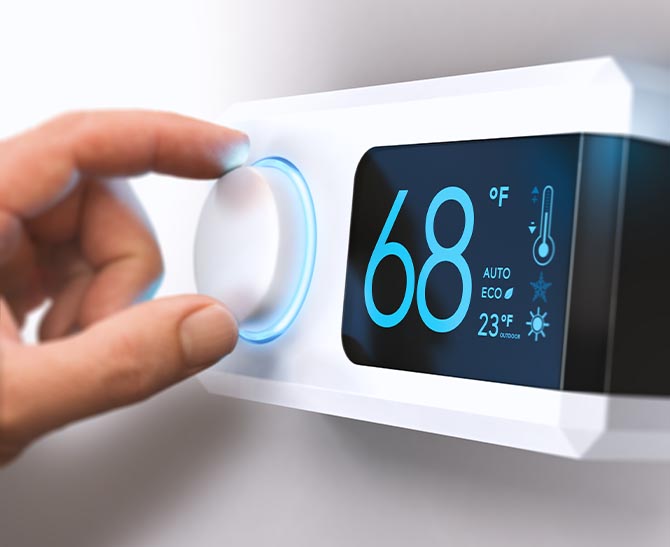
Operating rooms follow strict temperature guidelines, and each regulating body has different standards. AORN recommends 68°F to 75°F for most procedures to reduce infection risks and maintain a stable surgical environment. CMS adopts ASHRAE 170 as the regulatory requirement they enforce for hospitals and surgery centers. If an operating room falls outside of the acceptable range, The Joint Commission permits a temporary exception as long as its documented, if it implements corrective action, if conditions are monitored, and patient safety is verified and isn’t compromised. Understanding how operating room temperature guidelines are enforced clarifies how hospitals maintain compliance.
What are the AORN guidelines for operating room temperature?
AORN operating room temperature and humidity policy recommends keeping operating rooms between 68°F and 75°F to maintain a stable surgical environment that supports patient comfort and prevents infection. These guidelines ensure staff can work efficiently while proper airflow and humidity control are maintained. These recommendations help hospitals align their HVAC settings with best practices and reinforce patient safety.
What does ASHRAE 170 require for operating room temperature and humidity?
ASHRAE 170 requires operating rooms to maintain temperatures between 68°F and 75°F, along with a minimum relative humidity of 20 percent to support proper indoor air quality, sterile procedures, and infection control. These environmental conditions help ensure stable airflow, reduce microbial growth, and protect sensitive surgical equipment. Reviewing ASHRAE 170 OR requirements helps facilities understand how ventilation and temperature control work together in surgical settings.
What are the CMS operating room temperature standards?
CMS uses ASHRAE 170 as its official reference for operating room temperature, meaning facilities meet federal requirements by maintaining a temperature of 68°F to 75°F. CMS operating room temperature standards and this temperature range prevent contamination, ensure staff comfort, and provide stable airflow during surgical procedures, so conditions in the operating room are controlled and aligned with national expectations.
How does the Joint Commission enforce operating room temperature and humidity?
The Joint Commission is an independent accrediting organization that evaluates hospital and surgery center performance, including whether they maintain safe conditions in their operating rooms. ASHRAE and CMS operating room temperature and humidity policy is enforced by the Joint Commission. Room temperature and humidity levels are verified by surveys that check evidence on logs, verify corrective actions, and monitor HVAC performance to ensure ORs stay within acceptable limits. If temperature, humidity, airflow, pressure, and the operating environment deviate from the required range, they may allow a temporary exception as long as it’s documented, monitored, and quickly addressed. The goal of the Joint Commission is to achieve standards‑based compliance and ensure accountability to protect patients.
What humidity level is required in an operating room?
The minimum relative humidity baseline set by ASHRAE 170 is 20 percent or higher for operating rooms, which CMS enforces in hospitals and surgery centers. This humidity level controls microbial growth and keeps the environment sterile and free of excess moisture, dryness, and static electricity, which can damage sensitive surgical equipment and interfere with imaging tools. Maintaining proper humidity levels is essential to ensure medical devices function reliably during surgery, and help hospitals comply with official regulations when they’re inspected.
Can operating room temperature be adjusted outside the standard range?
Operating room temperatures can be adjusted outside the standard 68°F to 75°F range only when clinically necessary and fully documented, but humidity issues need to be addressed within hours, because low or high humidity can compromise a sterile environment. ASHRAE 170 sets a minimum humidity level of 20 percent, and when levels fall below this threshold, the event must be logged, monitored continuously, and immediately corrected. Hospitals and surgery centers are expected to promptly restore humidity in their facilities to prevent static discharge, contamination, and equipment malfunction.
What should an operating room temperature and humidity policy include?
To meet national standards, an operating room temperature and humidity policy should outline the required temperature range, the minimum humidity level, and how to monitor conditions during each shift. It should also include documentation requirements, risk assessment procedures, corrective‑action steps, and the response timeline for temperature or humidity drifting out of range. Following operating room temperature requirements supports consistent and safe surgical operations.
How should operating room temperature and humidity be documented?
Operating room temperature and humidity should be documented and continuously monitored with a log that records detailed readings during every shift. The log should include the exact temperature, the percentage of humidity, and timestamps. Deviations should be recorded as well as risk assessments and steps that need to be taken to restore proper conditions. This will demonstrate that the hospital is demonstrating active and consistent oversight and complying with ASHRAE 170, CMS, and Joint Commission standards and inspections. E‑Control Systems supports this process by providing automated, real‑time monitoring and digital logs that help facilities maintain accurate records.
Why does operating room temperature and humidity matter for patient safety?
Environmental conditions directly affect infection control, equipment performance, and the stability of sterile fields, which is why proper operating room temperatures and humidity levels are essential to keep patients safe. Bacteria can easily and quickly spread, static electricity may increase, and sensitive instruments and equipment can malfunction if temperatures drift too high or humidity is too low. Effectively controlled conditions and consistent monitoring ensure predictable airflow and reduce surgical risks when settings stay within regulated ranges.
Ensuring Continuous Compliance with Automated OR Monitoring
Consistent temperature and humidity control depends on accurate monitoring, detailed documentation, and instant alerts when conditions change and veer outside of recommended ranges. Medical facilities can stay compliant with advanced, continuous E-Control Systems temperature control monitoring technologies that include real-time tracking of humidity, automated reporting, and digital logs that verify operating room conditions and that AORN, ASHRAE 170, CMS, and Joint Commission guidelines are followed.