


Request a Quote Today

Thank You For Your Interest in E-Control Systems Please fill out the required fields here. We will review your request and contact you back shortly. If you have any questions about this quote, or our service in general, please feel free to contact us here or call us at 818.783.5229.

    (By providing my contact information below, I consent that E-Control Systems can contact me with information regarding my quote.)

    Image Alt
    E-Control Systems
     . Blog  . Common FDA Food Safety Citations and How to Avoid Them
    food safety violations

    Common FDA Food Safety Citations and How to Avoid Them

    Understanding the Cost of Food Safety Violations

    Food safety violations can lead to expensive penalties, supply‑chain disruptions, and corrective actions that put a strain on your operations. Understanding the risks of food safety violations empowers companies that need to maintain a reliable and compliant operation. 

    Top FDA Violations Examples in Food Service and Storage

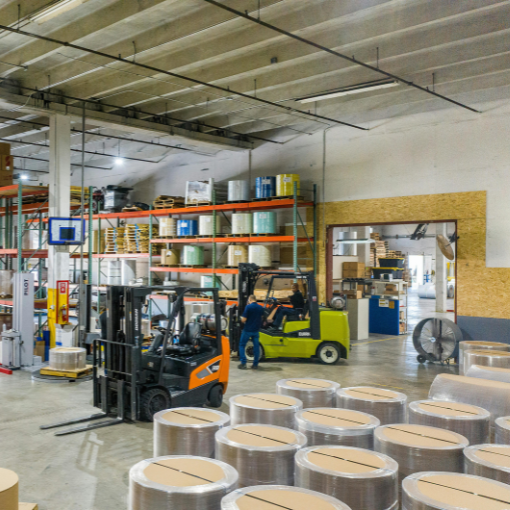
    FDA inspections often cite food service and storage facilities for issues like improper cold holding temperatures, poor sanitation practices like dirty food contact surfaces, poorly maintained equipment, or food cross-contamination. Additionally, improper labeling of allergens, pest activity in storage areas, and lack of proper employee hygiene are other examples of top FDA food safety violations that can trigger an expensive  FDA enforcement action. 

    Improper Temperature Control and Monitoring 

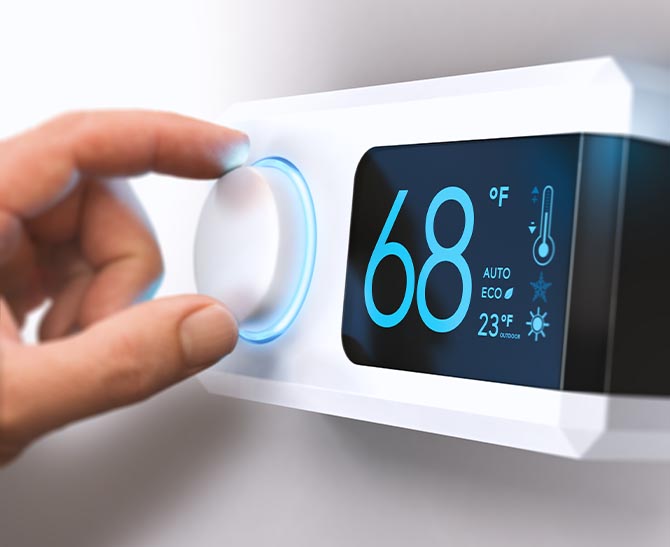
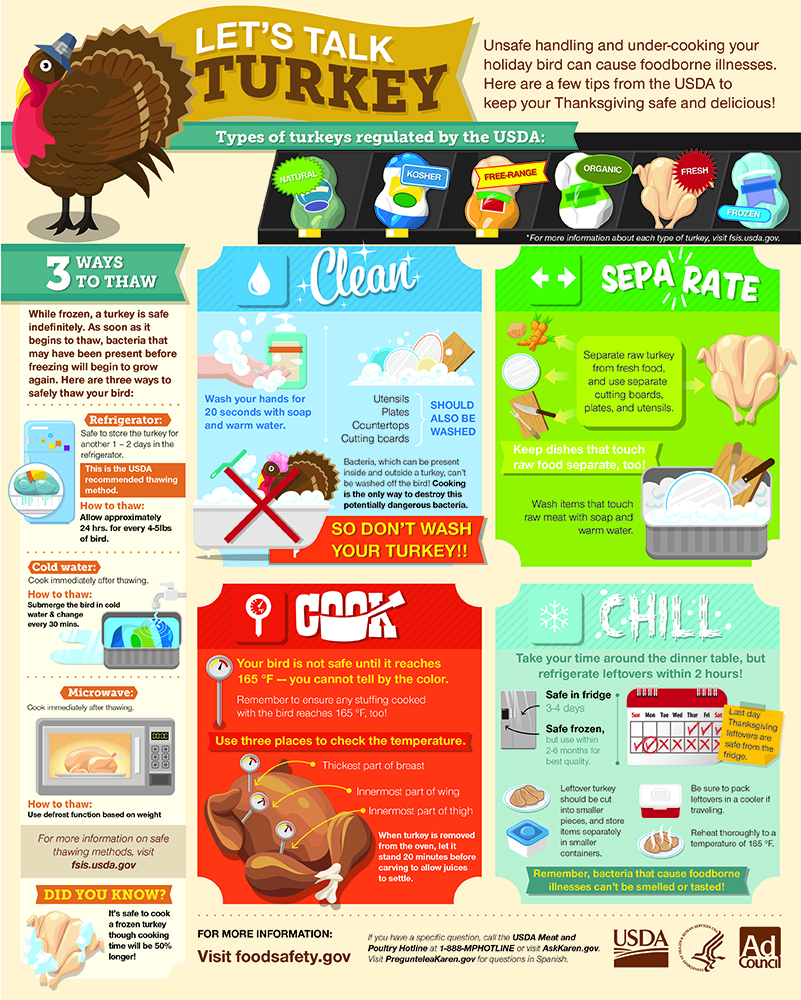
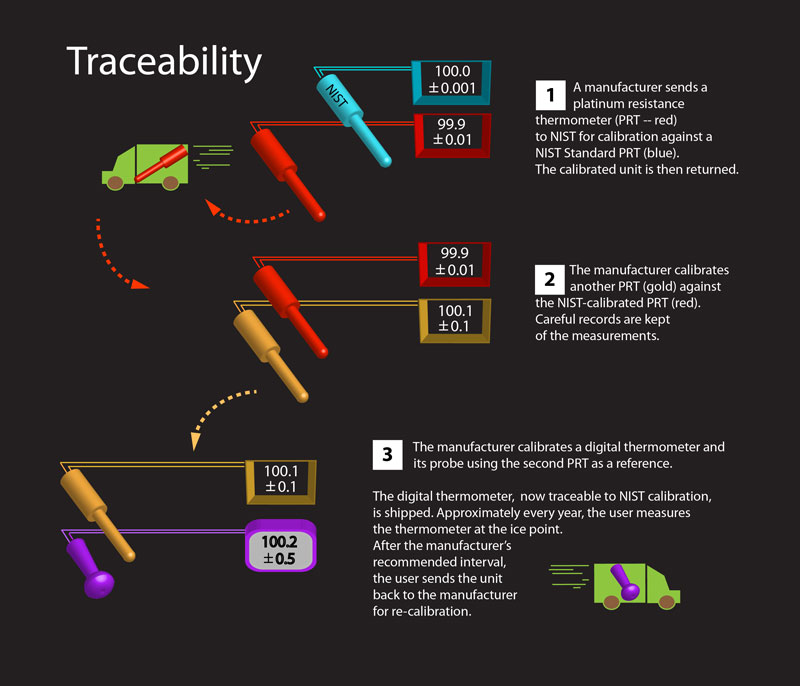
    Improper temperature control is one of the more common FDA food safety violations, especially if a refrigerator rises above the required 40°F (4°C) threshold. If cold holding temperatures aren’t correctly monitored or logged, temperatures may rise or fluctuate, and even brief temperature spikes can compromise food safety and generate violations. Consistently tracking and calibrating temperature monitoring equipment and ensuring reliability helps prevent these types of issues. Implementing automated FDA refrigerator temperature monitoring enables businesses to maintain compliance so they can avoid FDA citations. 
    Poor Equipment Maintenance and Sanitation

    Poor equipment maintenance and inadequate sanitation contribute to many FDA food safety violations. Neglected machines that aren’t regularly cleaned or serviced, and worn-down surfaces, can cause contamination, harbor bacteria, and reduce product quality. Prioritizing documented sanitation procedures protects consumer safety and can keep your operation ready for FDA audits. 

    Inadequate Record Keeping and Documentation

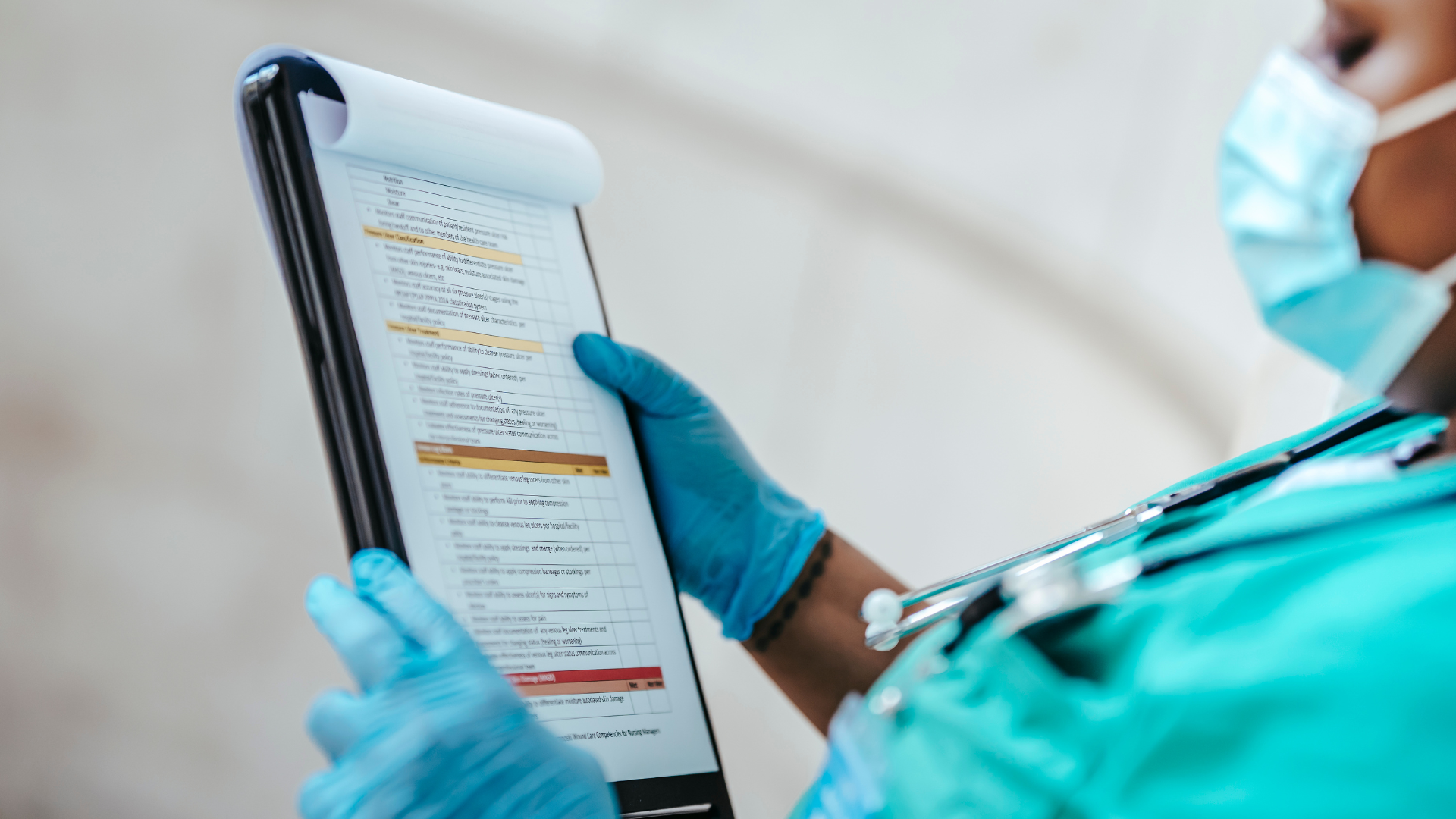
    Inadequate or inaccurate record keeping is a common cause of FDA food safety violations, especially if temperature logs, cleaning schedules, or corrective actions are incomplete or are missing. FDA inspectors depend on written records to verify that safety procedures are consistently followed. Strong documentation systems demonstrate a commitment to proper food safety practices. 

    How Digital Monitoring Prevents FDA Citations

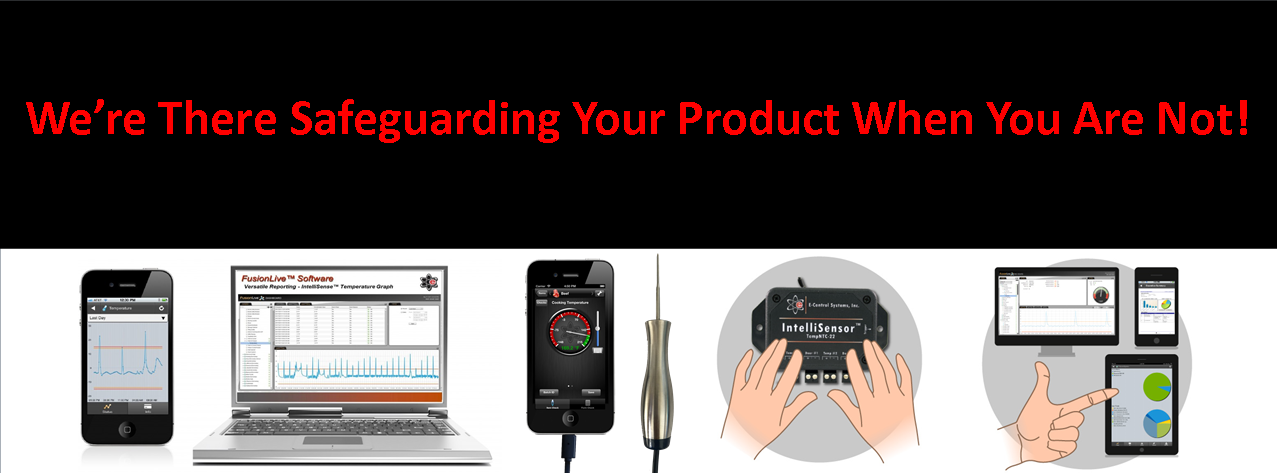
    E‑Control Systems reduces the risk of FDA violations by providing real-time tracking for automatic temperature monitoring and ensuring perishable goods comply with required safety limits. Real‑time alerts notify teams so they can quickly respond to equipment failures or unsafe refrigeration, storage, and food safety conditions. The system also maintains continuous oversight with digital logs, so FDA audits are faster and more accurate.      

    Food Safety Citation FAQ's

    How do I find FDA violation examples for my specific industry?

    FDA violation examples for your specific industry can be found by reviewing the FDA’s public warning letters database, which lists enforcement actions that have been recently filed in the food, drug, device, and cosmetic industries. It allows you to filter by date, violation type, and industry, making it more convenient to identify patterns that may be relevant to your business. It also helps you understand what regulators frequently flag as violations.

    What is the required FDA refrigerator temperature for perishable goods?

    To maintain product safety and prevent bacterial growth and contamination, perishable goods need to be stored in an FDA-regulated environment and kept at 40°F (4°C) or below. The FDA recommends this temperature because it protects foods, so they can consistently meet FDA compliance standards and avoid costly violations. 

    How often does the FDA conduct food safety inspections?

    The FDA conducts food safety inspections on a risk‑driven timeline, so facilities that handle seafood, dairy, and ready-to-eat foods are more frequently inspected since they have more risks. Most food facilities are inspected every 3 to 5 years, but the FDA also performs unannounced random inspections in response to reported violations, recalls, consumer complaints, and compliance issues to ensure ongoing food safety standards are met. 


    For more information about what E-Control Systems can do for your food service business, take a look at our Food Service solutions.