
The Complete Guide to Cold Chain Monitoring Systems
Cold chain monitoring ensures products in cold‑storage units, refrigerated‑truck transport, and vaccine distribution stay within strict temperature limits. Pharmaceuticals, frozen foods, and clinical samples need to be continuously monitored to maintain quality and safety. Automated systems provide real‑time data, reliable immediate alerts, and detailed logs that reduce risk and meet regulatory requirements.
What is cold chain monitoring?
Cold chain monitoring continuously tracks temperatures for sensitive products while they move through storage and are transported. It ensures vaccines, medications, food, and lab materials stay in safe temperature ranges. preventing spoilage or contamination. Real‑time sensors, alerts, and automated data logs help businesses in the food and pharmaceutical industries detect temperature excursions, reduce waste, maintain product integrity, and meet regulatory requirements.
How does a cold chain monitoring system work?
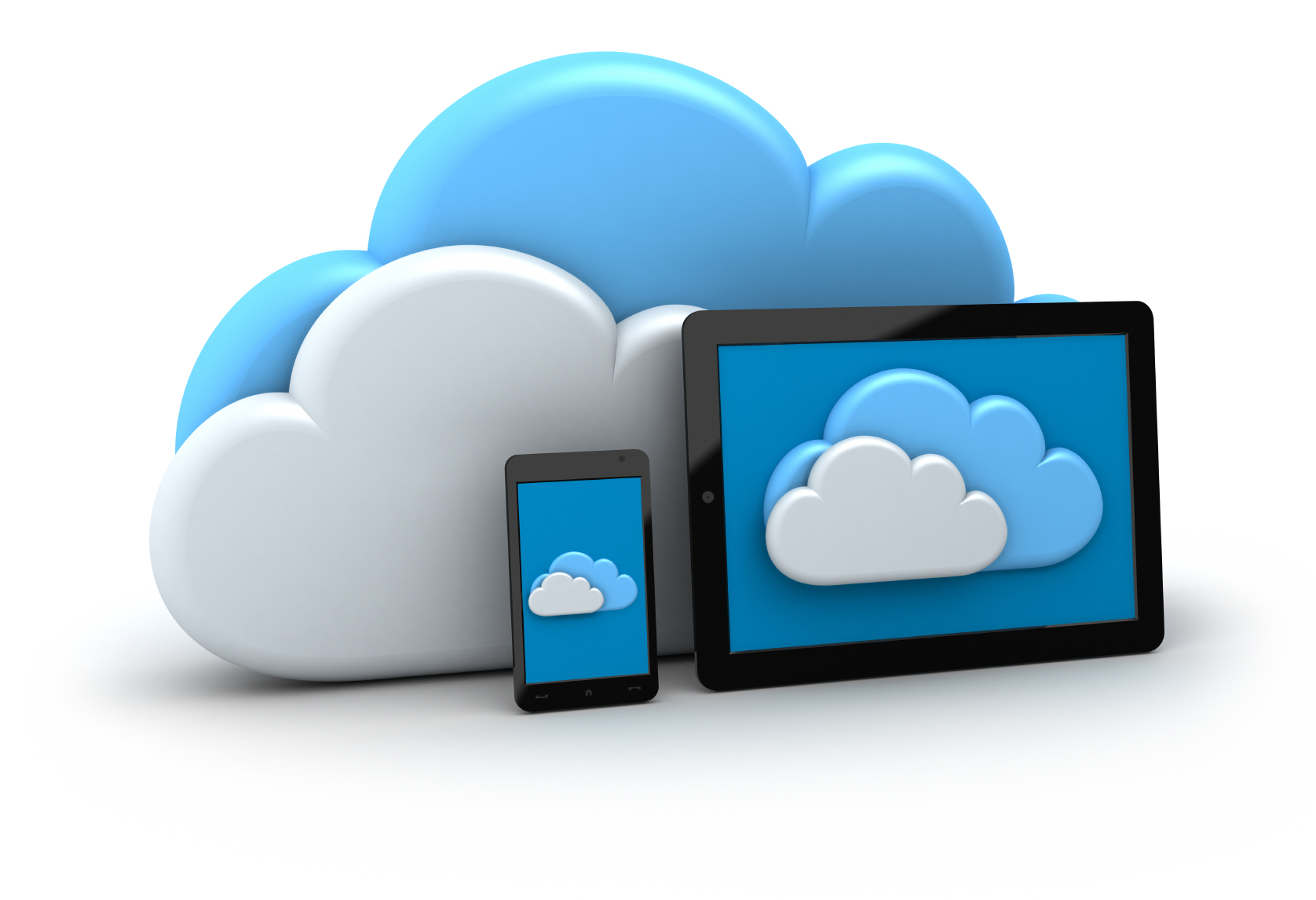
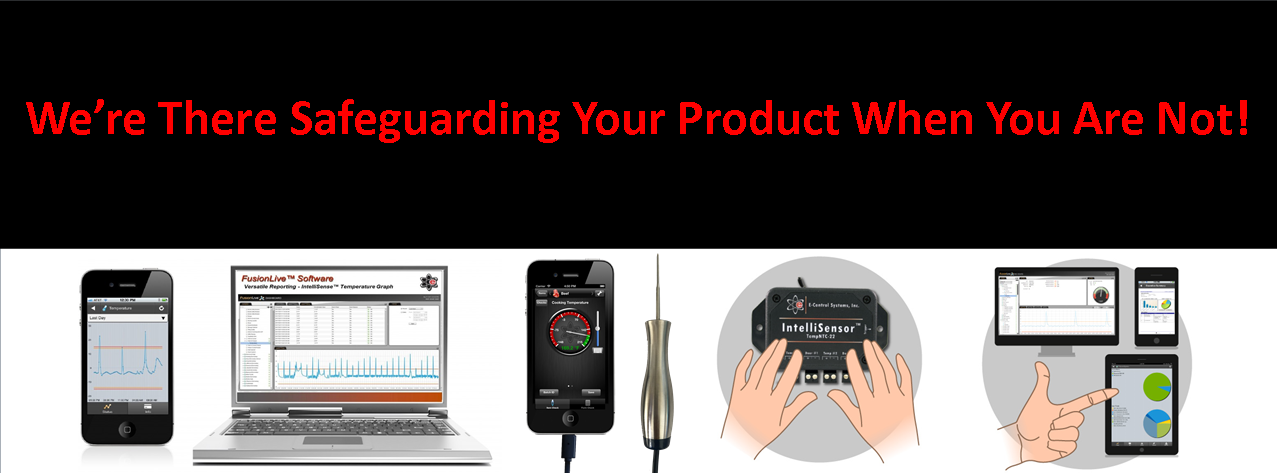
Cold chain monitoring systems use a 3‑layer structure of sensors, gateways, and cloud software to protect temperature‑sensitive products. Sensors measure temperature, humidity, and environmental conditions, while gateways collect data and send it to the cloud. The cloud platform stores, analyzes, and displays the information so you can track trends, verify compliance, and receive instant alerts. Continuous data provides an entire picture of product safety, making it more reliable than manual checks that only capture a brief moment in time.
What does a cold chain monitoring system measure?
A cold chain monitoring system measures critical factors that affect sensitive products. They track and measure temperature, humidity, and environmental conditions as well as real-time fluctuations, alerting staff when conditions change that could compromise the quality of medications, vaccines, and food.
What are the main components of a cold chain monitoring solution?
The core components of cold chain and temperature monitoring solutions include digital sensors, a communication gateway, and a cloud platform. Sensors continuously track conditions inside refrigerators, freezers, and transport vehicles. The gateway collects data and sends it to the cloud, and the cloud platform stores and analyzes it, displaying trends, excursions, and historical data, so businesses can achieve compliance and protect their products.
Why is continuous monitoring better than manual temperature checks?
Continuous monitoring is more reliable and outperforms manual temperature checks because it captures real‑time data 24/7 and instantly alerts you to temperature excursions. Manual readings can miss spikes, leaving gaps, causing issues to go unnoticed. Automated sensors detect changes right away, sending alerts to your staff, so they can respond immediately when changes occur. Non-stop continuous monitoring allows full visibility into your cold chain to prevent contamination and spoilage, while providing thorough data for compliance audits.
Which industries rely on cold chain temperature monitoring?
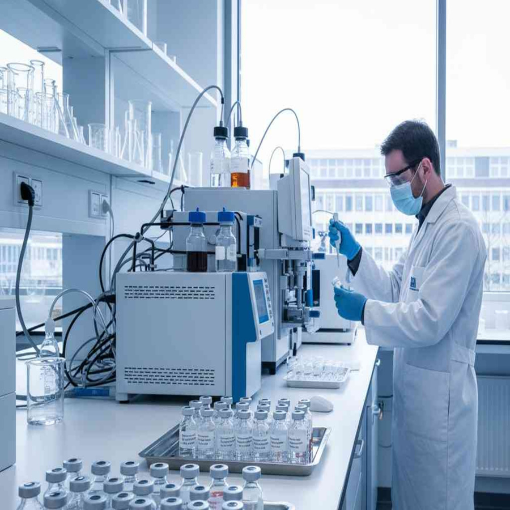
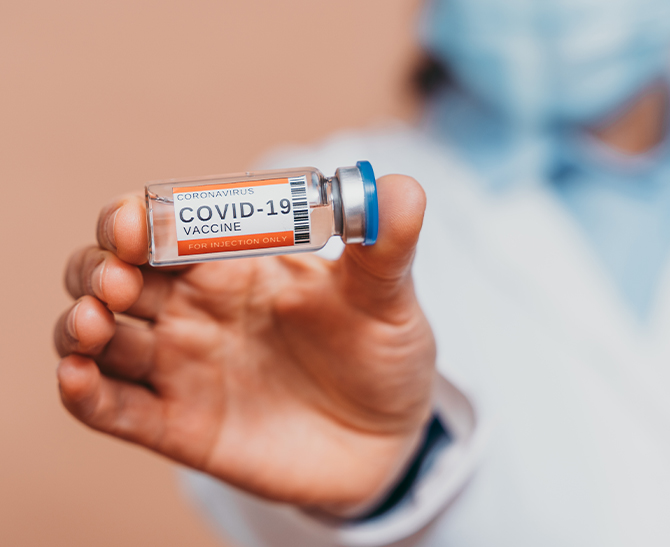
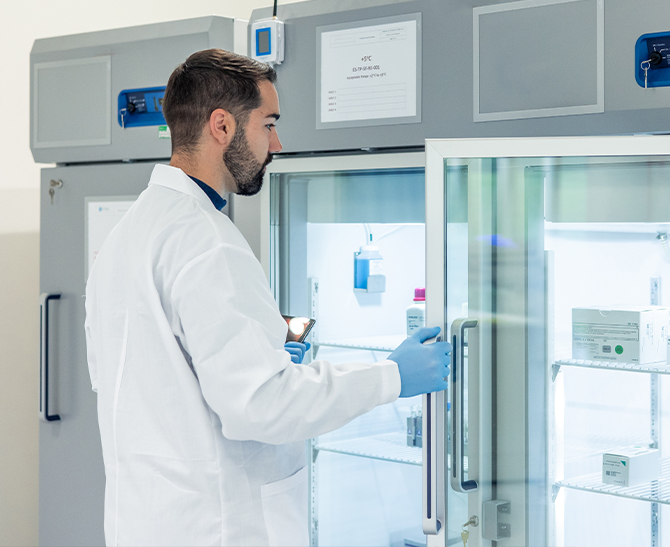
Pharmaceutical companies depend heavily on cold chain temperature monitoring to safeguard vaccines, medications, and biologics. These products can lose potency or become unsafe if exposed to temperature excursions. Cold chain temperature monitoring is also used in the food industry, where perishable items can spoil and develop bacteria if not kept within strict temperature ranges. Meat, dairy, produce, and frozen goods rely on continuous tracking to maintain safety and freshness from warehouse to delivery. Medical labs also use it to protect sensitive samples, reagents, and diagnostic materials, because stability is important to achieve accurate test results and research outcomes.
What regulations require cold chain monitoring?
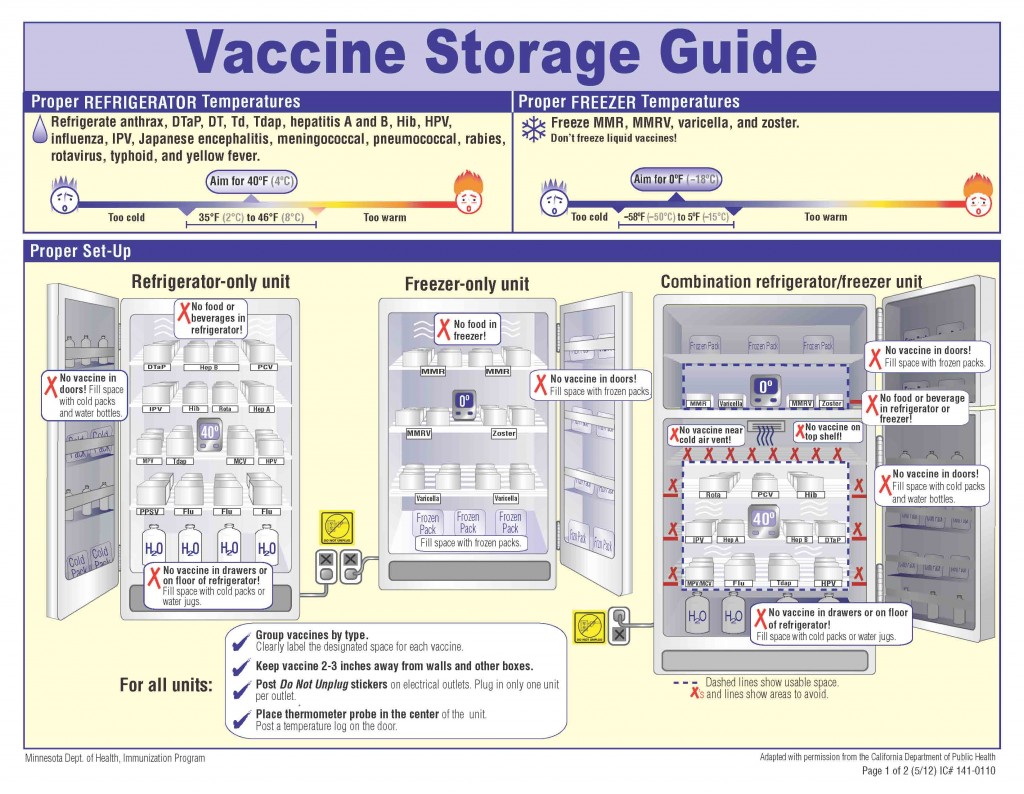
Cold chain monitoring is driven by regulatory bodies like FSMA for food, GDP for pharmaceuticals, and VFC requirements for vaccine programs. FSMA requires accurate, continuous temperature records for food safety and to prevent contamination. GDP mandates documented stability for medications, and VFC programs enforce strict vaccine storage using calibrated sensors and detailed logs. E‑Control Systems supports all of these with automated alerts, audit-ready reports, and monitoring tools that meet both federal and industry standards.
What happens during a cold chain temperature excursion?
When a temperature excursion occurs, the cold chain is disrupted, and products may no longer be safe to use or meet regulatory standards. Medications, biologics, or perishable foods that are exposed to conditions outside of their acceptable temperature range are at risk for contamination, may lose potency, and are unusable. Automated temperature monitoring systems help teams respond instantly and isolate affected inventory, so corrective action can be taken to prevent more damage.
How do you choose a cold chain monitoring solution?
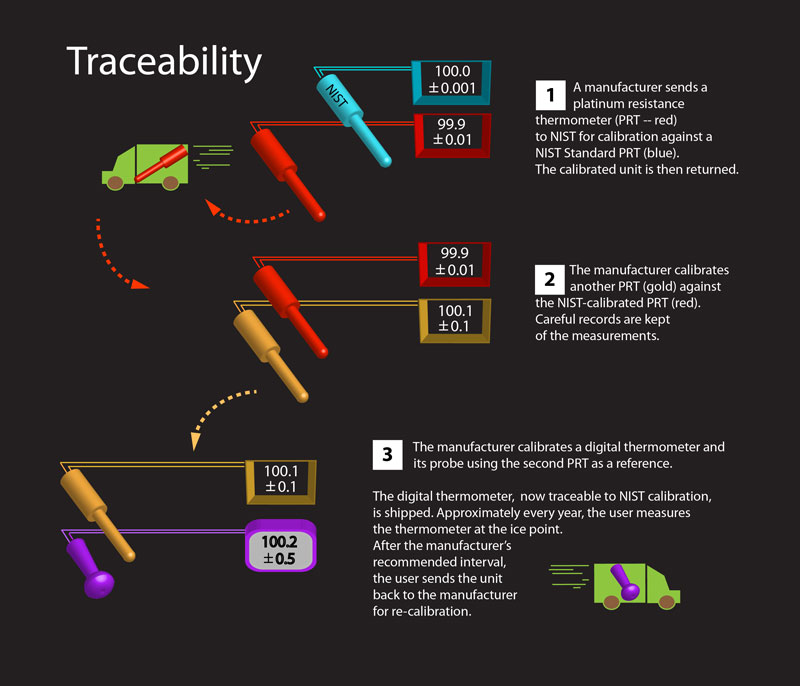
To choose the best cold chain monitoring solution, evaluate its accuracy, reliability, and real‑time visibility. Look for systems with calibrated sensors, automated alerts, continuous data, and cloud reporting that meet FSMA, GDP, and VFC requirements and simplify audits. E‑Control Systems cold chain monitoring systems provide real-time alerts, audit-ready documentation, and secure cloud dashboards to maintain compliance and keep your cold chain protected.
What are the benefits of automated cold chain monitoring?
Benefits of automated cold chain monitoring include:
- Real‑time visibility: Automated systems track temperature and humidity continuously, giving you instant insight into storage and transport conditions.
- Instant alerts: Notifications help you respond quickly when temperatures deviate from the required range.
- Accurate data logs: Digital records eliminate human error and support compliance audits.
- Reduced product loss: Continuous monitoring prevents spoilage and protects sensitive inventory.
- Improved regulatory compliance: Automated documentation meets industry standards for food, pharmaceuticals, and labs.
Protect Your Inventory with E-Control Systems
Cold chain monitoring strengthens product safety by preventing excursions and alerting employees that they’ve occurred. Temperature excursions can affect vaccine integrity, the stability of medications, and contaminate foods. When you invest in a strong cold chain monitoring system like E-Control Systems technology, you can protect your inventory, streamline your operations, and ensure consistent quality while complying with official regulations using cloud data and audit-ready logs.
Explore Our Options
- Food Service Temperature Monitoring Systems
- Healthcare Temperature Monitoring Systems
- Laboratory & Pharmeceutical Temperature Monitoring Systems
- Retail Temperature Monitoring Systems