

Request a Quote Today

Thank You For Your Interest in E-Control Systems Please fill out the required fields here. We will review your request and contact you back shortly. If you have any questions about this quote, or our service in general, please feel free to contact us here or call us at 818.783.5229.

    (By providing my contact information below, I consent that E-Control Systems can contact me with information regarding my quote.)

    Image Alt
    E-Control Systems
     . Blog  . The Complete Guide to the ServSafe Temperature Danger Zone
    Servsafe Danger Zone

    The Complete Guide to the ServSafe Temperature Danger Zone

    Why ServSafe Certification Matters in Food Service

    Understanding ServSafe is essential for workers in the food service industry because it teaches the core principles that keep food out of the temperature danger zone, prevent bacteria from forming that cause contamination and illness, and ensure restaurants stay HACCP compliant. When ServSafe temperature control guidelines are followed, food industry employees understand how to maintain safety in every part of the kitchen, protecting both customers and businesses.

    What is ServSafe?

    ServSafe is a nationally recognized food safety training and certification program that teaches employees how to prevent contamination, handle, prepare, and store food safely, manage allergens, and maintain proper sanitation in commercial kitchens. ServSafe is one of the most trusted certifications for restaurant managers and food handlers in the United States. It helps restaurants reduce the risk of foodborne illnesses and ensures they comply with official health regulations.

    Understanding the ServSafe Temperature Danger Zone

    What is the temperature danger zone according to ServSafe?

    The ServSafe temperature danger zone is between 41°F and 135°F, which is the range where harmful bacteria can multiply and become unsafe. Preventing food from reaching this range stops contamination and reduces the risk of foodborne illness. Strictly monitoring temperature keeps food out of this zone. Understanding ServSafe temperatures supports compliance and reinforces best practices for safe food handling.

    What multiplies most rapidly in the temperature danger zone?

    According to ServSafe, harmful pathogenic bacteria are what multiplies the quickest in the temperature danger zone. E. coli, Listeria, Salmonella, and other harmful bacteria thrive in warm conditions and grow to unsafe levels in minutes, increasing the risk of foodborne illness, which is why strict temperature control and proper food storage are essential.

    How long can food stay in the temperature danger zone?

    ServSafe states that the temperature danger zone for food should not be more than 2 hours. Bacteria grow rapidly during this timeframe. If food is left out too long, bacterial growth can accelerate and increase the risk of foodborne illness in customers. Learning about the ServSafe temperature danger zone reinforces why time and temperature control are essential for kitchen safety.

    Identifying and Managing At-Risk Foods

    Which foods are most at risk in the temperature danger zone?

    Beef, chicken, seafood, dairy products, cooked vegetables, cooked rice, and pasta are foods that are most at risk when they’re in the temperature danger zone. These foods are highly susceptible to bacterial growth if stored at temperatures between 41°F and 135°F. Reviewing ServSafe TCS foods helps food service workers understand which foods need to be closely monitored.

    How do you know if a food was received in the temperature danger zone?

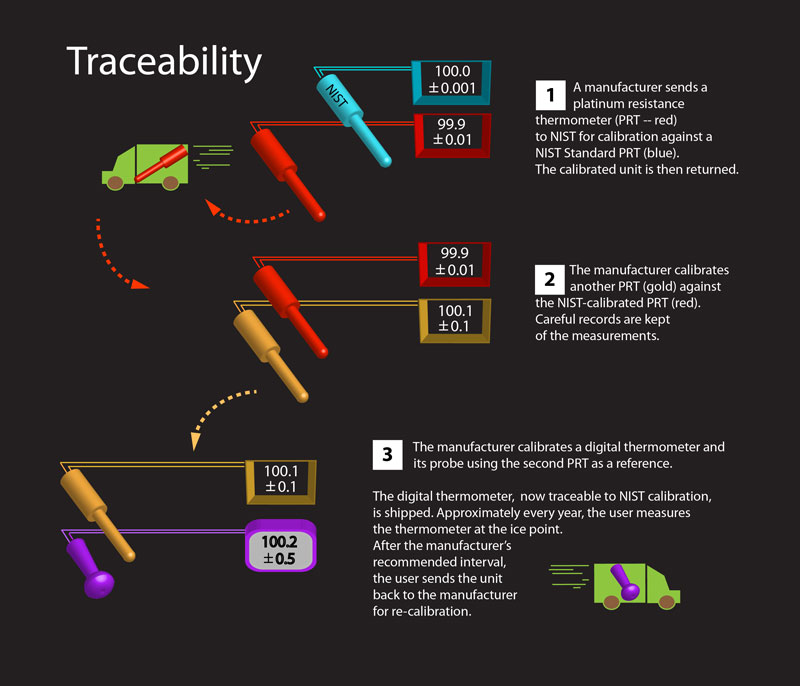
    If you want to know which food was received in the temperature danger zone, as soon as it arrives, you can check it by measuring its internal temperature with a calibrated thermometer. If the temperature of the food wasn’t between 41°F and 135°F when received, it should be thrown away because it could be contaminated and cause illness. Reviewing ServSafe guidelines supports safer food delivery and receiving practices.

    Which hot-held foods fall into the temperature danger zone?

    Any hot‑held food that drops below 135°F is in the temperature danger zone, including foods like soups, gravies, stews, cooked meats, casseroles, sauces, pasta, rice, and vegetables, according to ServSafe. These foods are unsafe to consume if their temperature falls under this threshold. You can ensure safer kitchen operations when you follow these ServSafe guidelines.

    Maintaining Compliance and Automating Food Safety

    How do you keep food out of the temperature danger zone?

    Ensuring food stays out of the temperature danger zone means consistent temperature monitoring is required, and reliable equipment is used for proper storage. E‑Control Systems allows you to maintain continuous temperature control and protect foods, providing real-time alerts that notify staff when food temperatures drift into the danger zone. Our advanced wireless technology strengthens and complies with ServSafe recommendations, reducing contamination by continuously tracking equipment like refrigerators, freezers, and hot-holding equipment, and eliminating human error.

    Automating Kitchen Safety with Wireless Temperature Monitoring

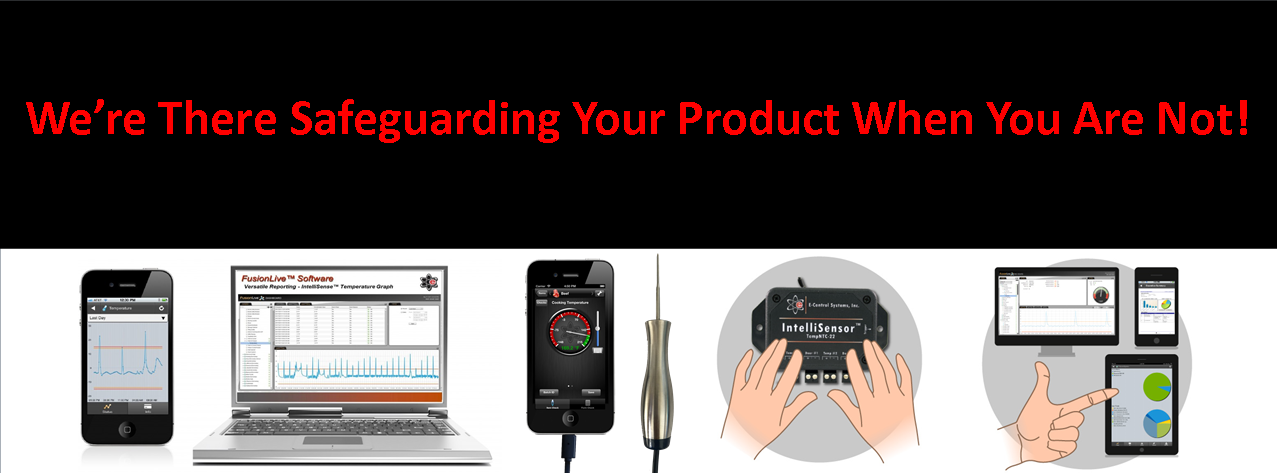
    Preventing foods from entering the temperature danger zone is one of the most important ServSafe principles. E‑Control automated temperature monitoring systems‘ wireless technology alerts workers that foods might be entering the danger zone and become contaminated or cause illnesses. This allows staff to respond quickly to unexpected temperature deviations and help businesses stay compliant. You can conveniently monitor temperature in your food service operation immediately from your phone, computer, tablet, or device and limit loss of inventory when you use E-Control Systems temperature monitoring with patented IntelliSense™ wireless sensors, InteliCheck™ automated data collection, and our FusionLive™ centralized, secure dashboard.

    For more information about what E-Control Systems can do for your food service business, take a look at our Food Service solutions.