




Share
Thank You For Your Interest in E-Control Systems Please fill out the required fields here. We will review your request and contact you back shortly. If you have any questions about this quote, or our service in general, please feel free to contact us here or call us at 818.783.5229.
(By providing my contact information below, I consent that E-Control Systems can contact me with information regarding my quote.)

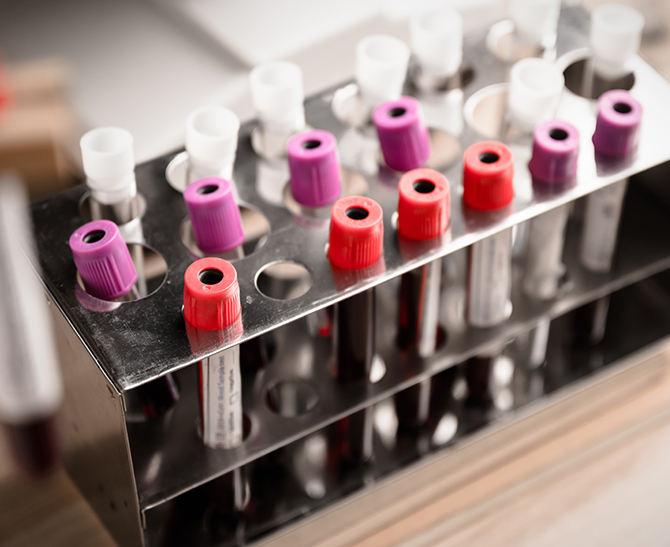
The true cost of losing blood inventory extends beyond the price of one unit. Spoilage caused by temperature drift disrupts workflows, strains budgets, and reduces the availability of life‑saving products. Investing in reliable blood bank temperature monitoring protects the safety of patients and preserves critical resources, financial performance, and regulatory compliance.
Temperature excursions and blood spoilage may occur when storage units don’t maintain strict temperature ranges required to handle blood safely. Common causes include inconsistent refrigeration, frequent door openings, and poor airflow inside the unit. Incorrect placement of blood bags, inventory checks, inadequate insulation, heat exposure, or delayed transport can also contribute to temperature shifts. Overloaded refrigerators, inaccurate thermometers, and power outages can also cause excursions. Even short periods outside the required range can compromise blood quality.
Manual checks fail in clinical bank temperature monitoring environments because they can’t provide real‑time visibility or immediate alerts when conditions drift out of range. They’re dependent on humans, timing, and accuracy. Even the best-trained staff can’t monitor equipment 24 hours a day, and unexpected fluctuations in electricity, equipment failures, and door opening can happen between scheduled checks causing spoilage. Paper logs are often incomplete or inaccurate, so it’s hard to track trends or identify specific issues. These limitations are why many facilities use a continuous temperature monitoring system instead to limit risk and protect their sensitive materials, including blood.
Preventing waste in tissue banks depends on how effectively temperatures are monitored during storage, transport, equipment failures, and processing. Blood products can quickly spoil when they’re exposed to brief temperature excursions, compromising their safety and viability. Manually checking temperatures is unreliable in high-risk storage environments. If automated temperature monitoring technology is used, issues can be detected early, and staff can intervene before blood spoils need to be discarded.
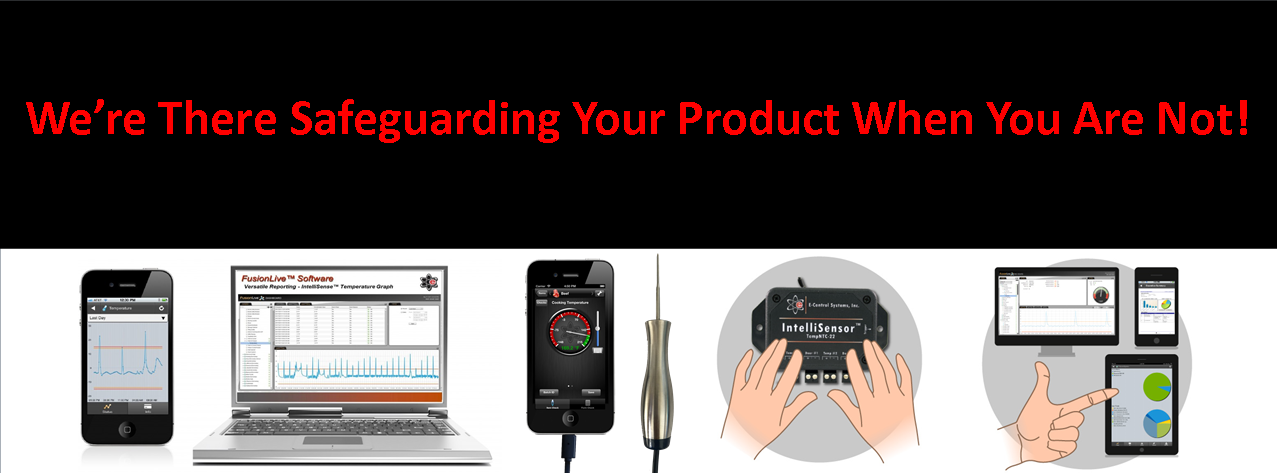
E‑Control Systems keeps your inventory and bottom line safe by continuously monitoring storage conditions and sending managers real-time alerts, while providing historical data that analyzes trends. It can identify recurring issues, equipment failures, and gaps in workflow that may cause waste. A stable temperature control workflow can protect your bottom line by preventing the loss of blood products and tissues.
Temperature‑related issues are a leading cause of preventable blood waste in a clinical or laboratory environment. Thousands of units are discarded annually because of exposure to temperatures outside the required range during storage, transport, or handling. These issues can be challenging for blood banks, hospitals, and tissue centers. Industry data shows that a significant percentage of discarded blood units could have been saved with better oversight when a reliable temperature monitoring system is put in place. A Virginia Commonwealth University Medical Center study documented 535 units wasted due to temperature indicators being triggered. Dramatic reductions in losses can be prevented when a real-time temperature monitoring strategy is implemented to protect inventory.
Automated temperature monitoring systems reduce spoilage by tracking storage conditions 24/7, sending out alerts when the temperature unexpectedly rises or falls. Staffers are notified by an instant alert with real-time data, so they can quickly respond before products become unsafe. Rapid detection and response reliably support temperature control, compliance, and safety.
Not all tissue banks have the same temperature monitoring compliance rules. Some tissue banks are required to meet more rigorous standards due to their accreditation, whether they handle blood, organs, or human cellular products. and the kind of tissues they store. How alarms are managed and how long records are kept when it comes to temperature monitoring in tissue banks varies and may be based on FDA requirements, AATB standards, or state‑level rules. A custom temperature monitoring strategy can be designed to align with a tissue bank's regulatory compliance plan and protect the integrity of its inventory.
Please fill out the form here so we can know a little more about you. You will be directed to our brochure downloads page promptly afterward.