Share
Blog
Cold Storage E-Control Systems Healthcare Hospital Laboratory Life Science Pharmaceuticals Pharmacy
Thank You For Your Interest in E-Control Systems Please fill out the required fields here. We will review your request and contact you back shortly. If you have any questions about this quote, or our service in general, please feel free to contact us here or call us at 818.783.5229.
(By providing my contact information below, I consent that E-Control Systems can contact me with information regarding my quote.)
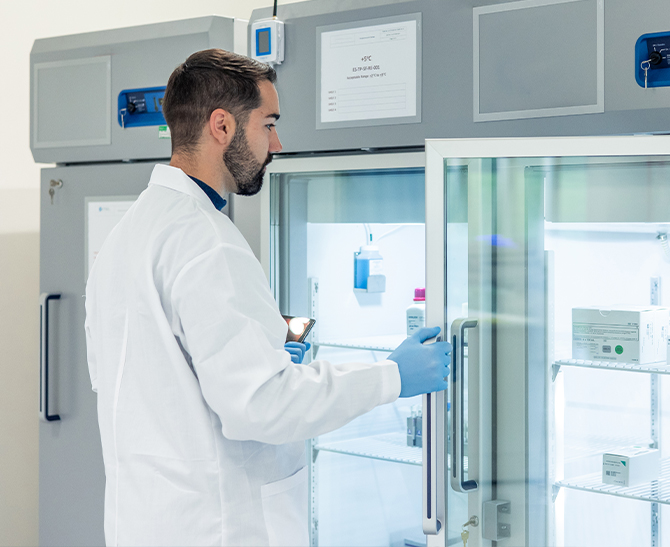
Maintaining accurate temperature control in scientific and medical facilities requires more than just plugging in a refrigerator. Medical products, vaccines, and lab samples are highly sensitive to even minor temperature fluctuations. To ensure these assets remain safe and viable, facilities must follow strict maintenance protocols. One of the most important protocols is yearly lab refrigerator calibration.
Without routine calibration, sensors drift over time. This drift causes the monitoring system to record inaccurate data. A system displaying safe temperatures might actually be exposing sensitive products to dangerous heat or cold. Routine calibration eliminates this risk and ensures your facility remains compliant with industry regulations.
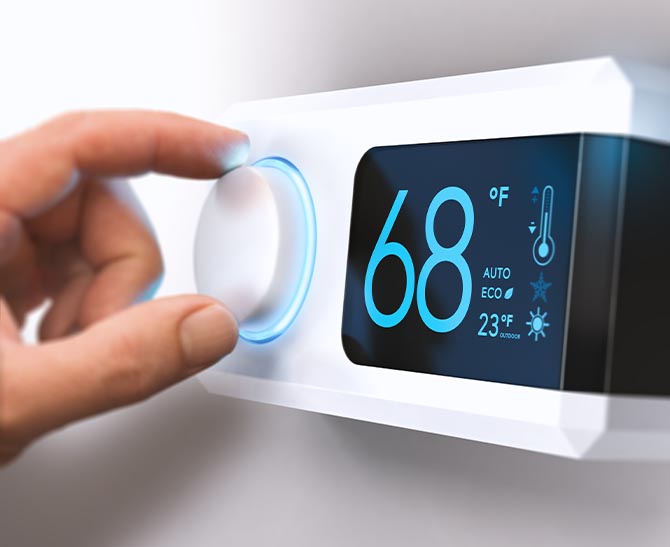
Calibration is the process of comparing the temperature reading of a sensor against a known, highly accurate reference standard. If the sensor reading deviates from the reference standard, a technician adjusts the sensor to restore its accuracy.
This process is fundamentally different from a refrigerator validation. Validation proves that the entire cold storage unit performs its intended function consistently over time. Calibration focuses exclusively on the accuracy of the temperature measuring devices inside that unit. Both are necessary to maintain a compliant environment.
Regulatory agencies like the FDA, CDC, and Joint Commission require documented proof of accurate temperature monitoring. They expect facilities to prove their storage units hold specific temperature ranges.
If an auditor discovers that a facility skipped its annual lab freezer calibration, the consequences are immediate. Uncalibrated sensors render historical temperature data invalid. This means the facility can no longer prove its products were stored correctly. This leads to warning letters, forced product recalls, and severe financial losses. Maintaining a consistent calibration schedule is the only way to protect your data integrity and pass unannounced audits.
Sensors inevitably experience drift due to regular use, minor impacts, and electrical fluctuations. Annual calibration corrects this drift before it becomes a compliance issue.
A refrigerator sensor that reads two degrees warmer than the actual temperature might trigger the compressor to run longer than necessary. This can freeze and destroy liquid medications or vaccines. Yearly calibration ensures the monitoring system reflects the exact physical conditions inside the unit, protecting expensive inventory.
Automated monitoring platforms rely entirely on the data provided by their sensors. If the sensors are uncalibrated, the resulting digital logs are worthless to auditors. Calibrating your equipment annually guarantees that your electronic records remain trustworthy and compliant with 21 CFR Part 11 guidelines.
Different regulated environments have specific requirements for cold storage maintenance.
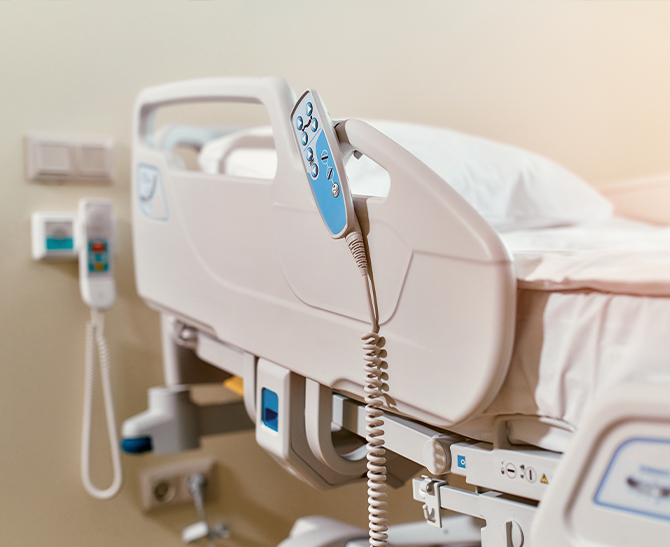
Pharmacies and hospitals store highly regulated medications, vaccines, and biologics. Routine hospital refrigerator calibration and pharmacy refrigerator validation ensure these facilities meet CDC guidelines for vaccine storage. If a pharmacy relies on inaccurate sensors, they risk dispensing compromised medications to patients.
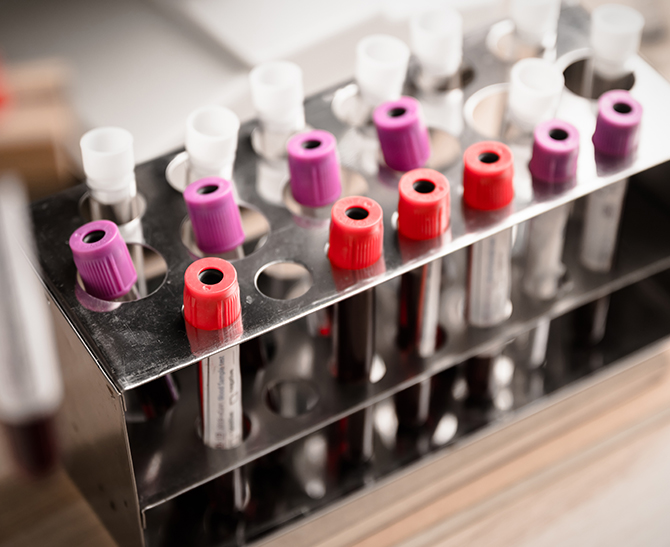
Storing human tissue and blood products requires strict adherence to AABB standards. A blood bank freezer calibration must be performed on a strict schedule. Even a slight deviation in these environments can render blood products unsafe for transfusion. Regular calibration for tissue storage guarantees the viability of these irreplaceable biological assets.
Managing calibration schedules and temperature logs manually leaves room for human error. Upgrading to an automated temperature monitoring system simplifies the entire compliance process.
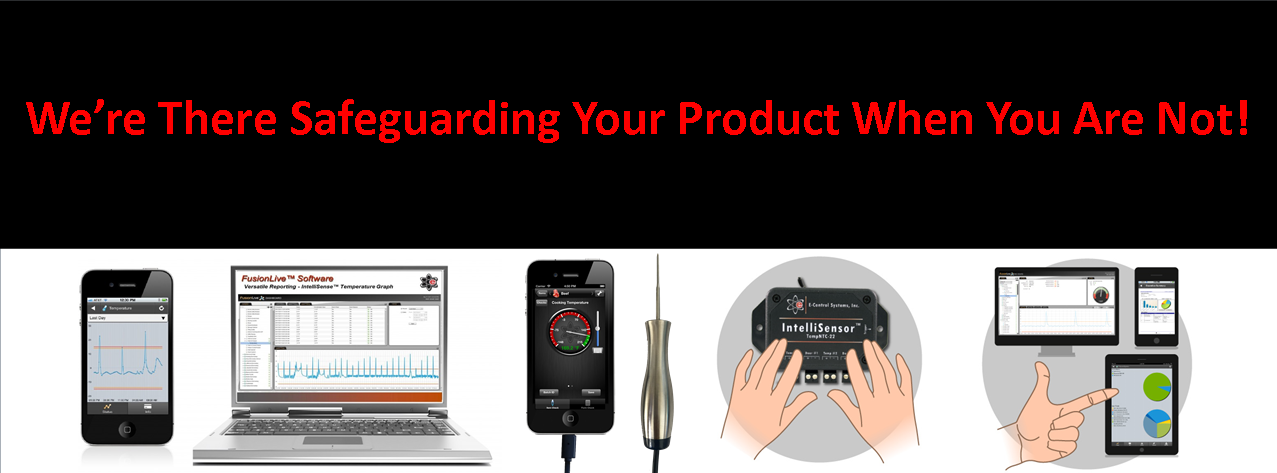
Digital wireless sensors collect data continuously and upload it directly to a centralized cloud platform. Secure monitoring software like FusionLive tracks sensor performance and logs all calibration events automatically. If a unit experiences a temperature fluctuation, the system triggers instant alerts so your team can intervene immediately. This level of oversight ensures your pharmaceutical temperature monitoring processes remain permanently audit-ready.
The industry standard for calibration for lab refrigerators is once per year. However, certain highly regulated environments or specific internal quality policies may require bi-annual calibration to minimize the risk of sensor drift.
Calibration adjusts a specific sensor to ensure its temperature readings are accurate compared to a reference standard. Refrigerator validation is a comprehensive testing process that proves the entire unit maintains uniform temperatures and functions correctly under specific operating conditions.

Yes. Routine pharmacy freezer calibration is required to meet regulatory standards set by organizations like the CDC and FDA. Uncalibrated freezers put frozen vaccines and sensitive medications at high risk for degradation.
Please fill out the form here so we can know a little more about you. You will be directed to our brochure downloads page promptly afterward.