

Request a Quote Today

Thank You For Your Interest in E-Control Systems Please fill out the required fields here. We will review your request and contact you back shortly. If you have any questions about this quote, or our service in general, please feel free to contact us here or call us at 818.783.5229.

    (By providing my contact information below, I consent that E-Control Systems can contact me with information regarding my quote.)

    Image Alt
    E-Control Systems
     . Blog  . The Biggest Challenges in Cold Chain Logistics and How to Overcome Them
    Cold Chain Logistics

    The Biggest Challenges in Cold Chain Logistics and How to Overcome Them

    Navigating the Complexities of Temperature-Controlled Transit

    Challenges in cold chain logistics become difficult when products face extreme temperatures, long transit times, or fail to document shifts that meet official regulatory standards. To overcome these challenges, businesses need strong temperature tracking systems with automated alerts that notify managers of temperature changes before they cause product loss.

    What Is Cold Chain Logistics and Why Does It Matter?

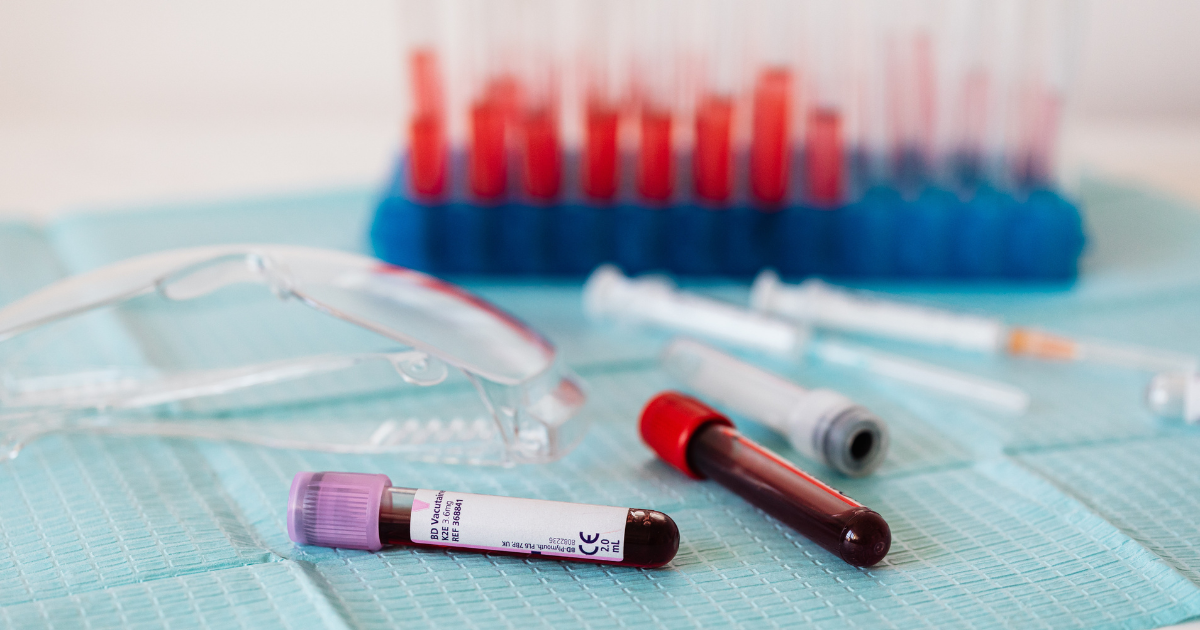
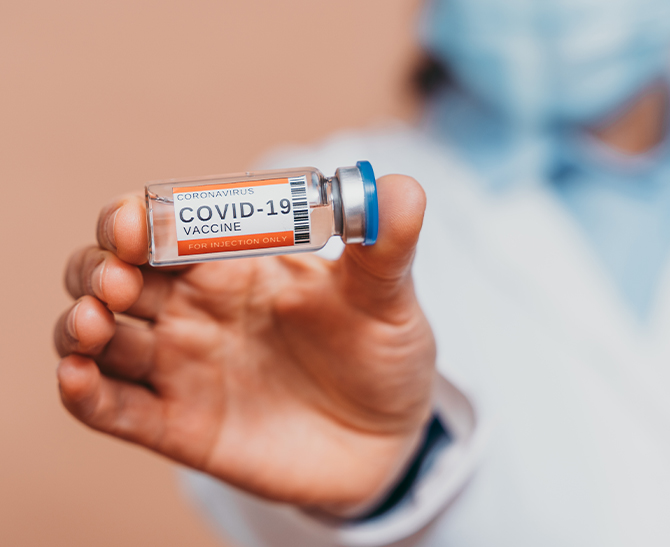
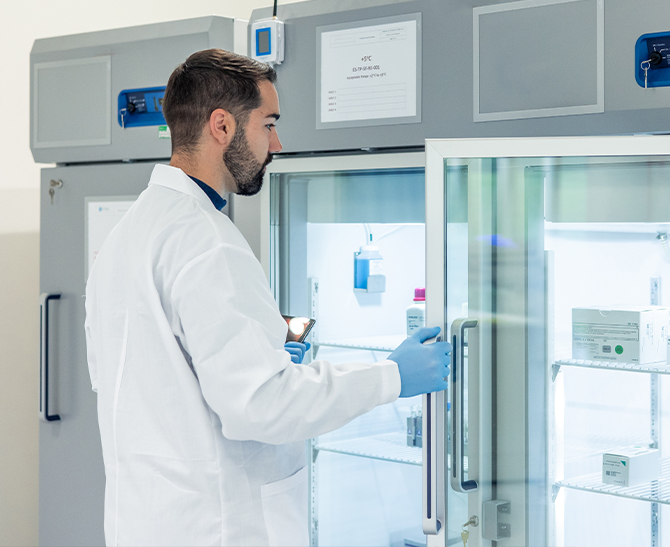
    Cold chain logistics is the specialized supply chain system that maintains strict temperature conditions for goods that can’t tolerate heat or environmental changes, and need refrigerated storage, insulated transport, and continuous monitoring. Goods that may potentially be affected include pharmaceuticals, biologics, lab samples, and perishable foods. Even small variations in the temperature can damage the quality or reduce the potency and safety of these products. Reliable cold chain operations prevent spoilage, reduce waste, and safeguard public health by keeping vulnerable products stable throughout transport and storage.

    The Top Cold Chain Logistics Problems Businesses Face Today

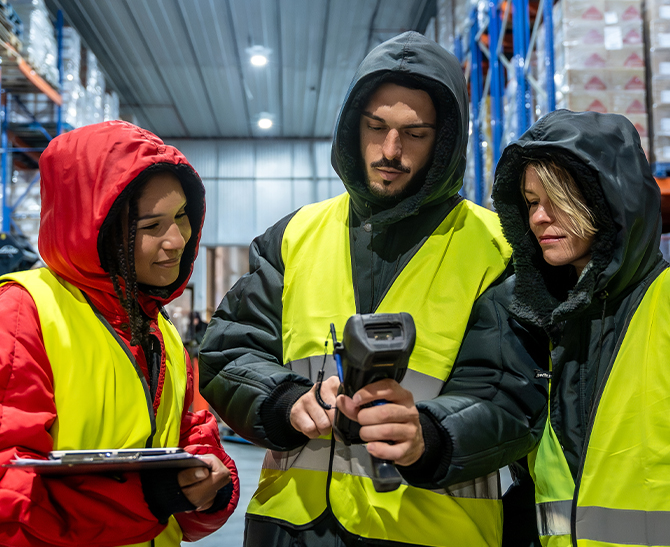
    Cold chain operations depend on precise environmental control, yet many businesses struggle with equipment failures, inconsistent carriers, and documentation gaps. These common cold chain logistics problems highlight where failures occur and why stronger monitoring is essential:

    • Temperature excursions: Deviations in the temperature range can damage medicines, vaccines, and perishable foods.
    • Inadequate monitoring: Without automated real‑time alerts, businesses may miss critical temperature changes, and products can be compromised.
    • Poor packaging: Insufficient insulation or outdated materials lead to heat exposure and spoil products.
    • Transportation delays: Traffic, weather, or equipment failures can cause temperatures to change during transit.
    • Regulatory compliance challenges: Accurate documentation and consistent environmental control are necessary to meet strict standards.
    • Human error: Improper handling, incorrect storage, or missed checks can compromise product integrity.

    Why Last-Mile Delivery Is the Weakest Link in Cold Chain Logistics

    Last‑mile delivery introduces the highest risk of temperature excursions because products are subject to unpredictable conditions, exposure to heat, delays, and long delivery windows. Without tight control, sensitive goods can be vulnerable when drivers, weather conditions, and variable delivery routes can’t maintain stable temperatures. Effective last‑mile monitoring ensures products are protected through the final stretch.

    Ensuring Continuous Compliance and Protection Across Your Cold Chain

    E‑Control Systems keeps your cold chain compliant because calibrated sensors are used to monitor temperature sensitive products and our systems use automated alerts so staff can quickly correct issues, reduce waste, spoilage, and prevent failed regulatory inspections. Ensure your cold chain is audit-ready with temperature oversight from our effective E‑Control Systems monitoring systems.

    Cold Chain Logistics FAQ's

    What causes temperature excursions during last-mile delivery?

    Temperature excursions during last‑mile delivery happen when packages are exposed to extreme temperatures, vehicle delays, or poor insulation. Sudden weather changes, long delivery windows, and improper handling all increase risk because temperatures can drift out of range. Reliable last‑mile monitoring prevents these types of failures.

    How can businesses reduce cold chain logistics problems?

    Businesses can reduce cold chain logistics problems if they strengthen temperature control, improve visibility, and prevent transit delays before they happen. Predictive analytics tools allow workers to instantly detect temperature excursions, and equipment failures, A unified cold chain dashboard gives managers real-time insight into product conditions inside warehouses, and distribution centers. Consistent staff training reduces handling errors, utilizes backup refrigeration protocols, and emergency response plans, as well as ensures compliance with global regulatory standards, minimizing product loss while making the supply chain more reliable. 

    How does E-Control Systems improve cold chain performance?

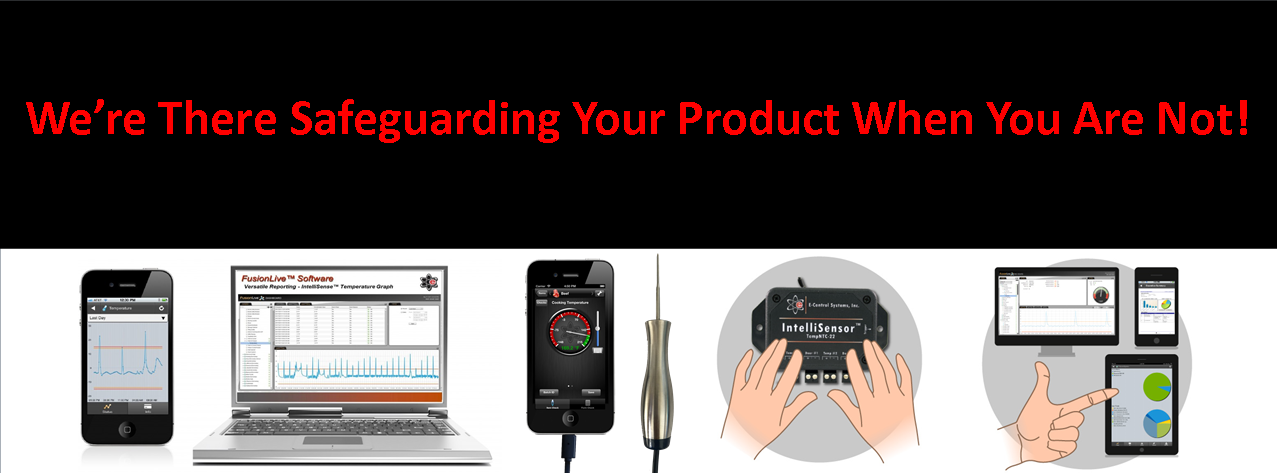
    E‑Control Systems temperature monitoring systems track and eliminate blind spots through automated temperature tracking, so product loss is minimized. Our calibrated sensors capture data and alert staff the minute conditions change. Using centralized dashboards and thorough reporting, cold chains are able to accurately protect the integrity of products, keeping your business compliant across each stage of distribution.


    For more information about what E-Control Systems can do for your business, take a look at our Temperature Monitoring solutions.