Share
Blog
Cold Storage E-Control Systems Healthcare Laboratory Life Science Pharmaceuticals Pharmacy Wireless Temperature Monitoring

Thank You For Your Interest in E-Control Systems Please fill out the required fields here. We will review your request and contact you back shortly. If you have any questions about this quote, or our service in general, please feel free to contact us here or call us at 818.783.5229.
(By providing my contact information below, I consent that E-Control Systems can contact me with information regarding my quote.)

Protecting temperature-sensitive assets in clinical, laboratory, and food service environments requires accurate monitoring. Facilities typically start with basic temperature data loggers because they are familiar and inexpensive. As operations expand and regulatory requirements become stricter, facility managers quickly realize that standalone loggers create compliance gaps. Upgrading to a continuous Environmental Monitoring System (EMS) provides the security, real-time alerts, and automated documentation needed to protect inventory and pass audits.
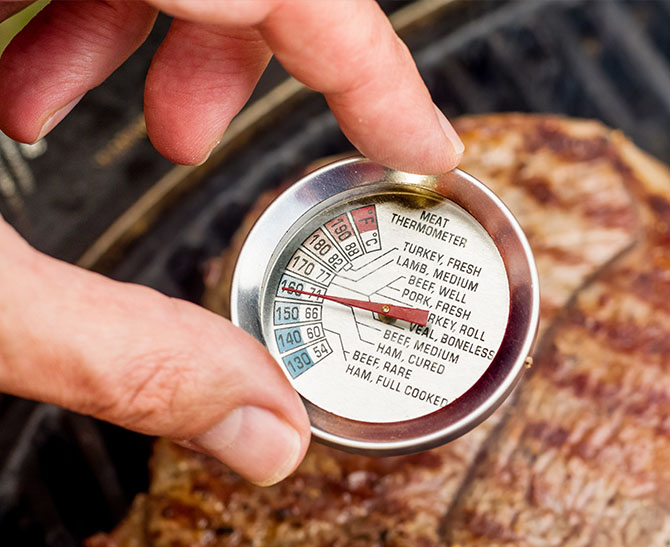
Environmental data loggers are compact devices placed inside refrigerators, freezers, or shipping containers to record temperatures at predetermined intervals. They are standalone units that capture historical data over a specific period. Once a monitoring cycle ends, staff must physically retrieve the logger and download the data to a computer to review the temperature history.
These devices are practical for temporary tasks. They work well for monitoring shipments in transit, conducting short-term equipment mapping studies, or troubleshooting a specific refrigerator.
Relying exclusively on standalone loggers for daily facility operations introduces significant risks. Because these devices are not connected to a central network, they provide zero real-time visibility.
If a compressor fails on a Friday night, a standard logger will record the rising temperature, but it will not notify anyone. By the time staff download the data on Monday morning, the inventory is already ruined. Furthermore, basic loggers lack the security features required in highly regulated spaces. They rely on manual data retrieval, which increases labor costs, introduces human error, and creates incomplete compliance records.
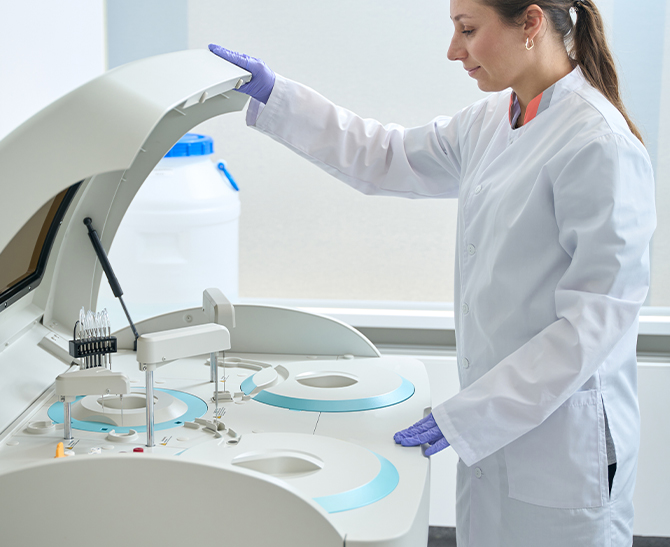
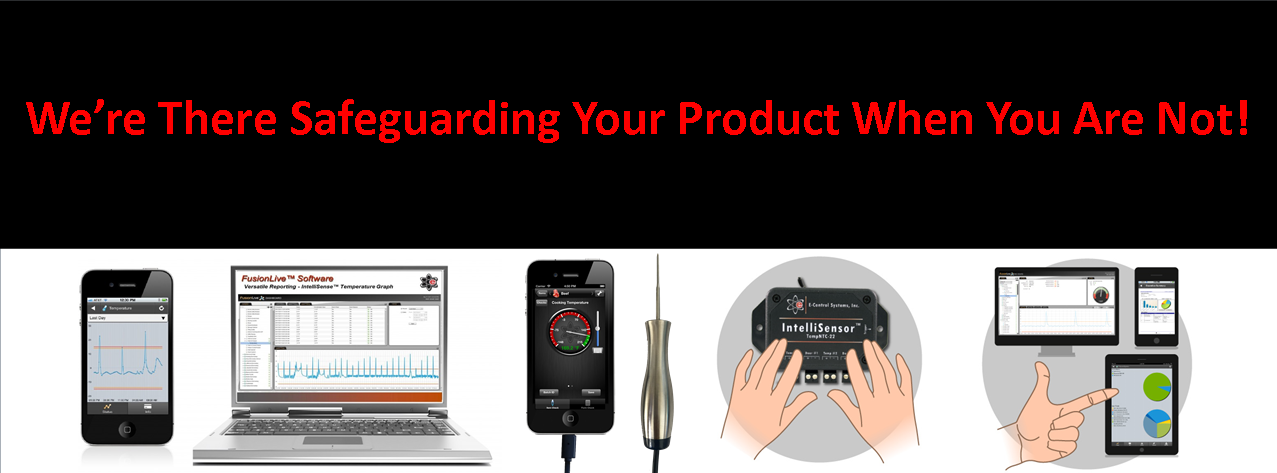
A continuous EMS is a comprehensive platform designed for regulated environments like hospitals, pharmacies, and biotech manufacturing facilities. Instead of isolated logging, an EMS uses calibrated wireless sensors to continuously track temperature, humidity, and other critical parameters.
This data is transmitted instantly to a central, secure platform. If a storage unit falls out of the designated safe range, environmental data logging systems immediately trigger text, email, or phone alerts. This continuous oversight allows staff to handle a temperature excursion before any product is compromised.
For industries governed by the FDA, CDC, or Joint Commission, compliance is the most important factor when choosing a monitoring solution.
Basic loggers cannot meet strict data integrity requirements like 21 CFR Part 11. An EMS automatically secures data with electronic signatures, secure logins, and unalterable audit trails. Every user action, alarm acknowledgment, and system change is permanently recorded.
Auditors expect facilities to demonstrate active control over their environments. An EMS logger proves that your team is actively monitoring conditions and responding to deviations. A basic logger only proves that a deviation occurred after the damage is already done.
While basic loggers have a lower initial purchase price, their total cost of ownership is much higher. Environmental data logging with standalone devices requires hundreds of hours of manual labor every year. Staff must physically check units, download files, organize spreadsheets, and conduct manual investigations when data is missing.
An EMS eliminates these hidden costs. By automating compliance reports and centralizing data in cloud-based software, facilities drastically reduce labor expenses. More importantly, the real-time alerts provided by an EMS prevent catastrophic inventory loss. Saving a single batch of vaccines or pharmaceutical reagents easily covers the cost of an automated monitoring system.
An EMS logger should be used whenever a facility stores critical, highly regulated, or expensive inventory. If a temperature deviation could result in failed audits, compromised patient safety, or significant financial loss, continuous real-time monitoring is required.
Basic data loggers capture temperature trends, but they lack the secure user access controls and unalterable audit trails required by agencies like the FDA. An automated EMS provides the documentation necessary to guarantee compliance during an audit.
Yes. An automated EMS replaces the need for staff to conduct routine, manual temperature checks on equipment like walk-in freezers and lab refrigerators. The system logs data continuously, freeing up employees to focus on their primary responsibilities.
Please fill out the form here so we can know a little more about you. You will be directed to our brochure downloads page promptly afterward.